



Introduction
The traditional classroom is no longer the only place where learning happens. With increasingly busy schedules, diverse learning styles, and the demand for instant answers, students need support beyond school hours. AI tutors are emerging as the next frontier in personalized learning, providing round-the-clock academic assistance, tailored guidance, and adaptive study resources. In 2025, these tools are transforming education by offering flexibility, efficiency, and individualized support like never before study guide maker.
The Rise of AI Tutors
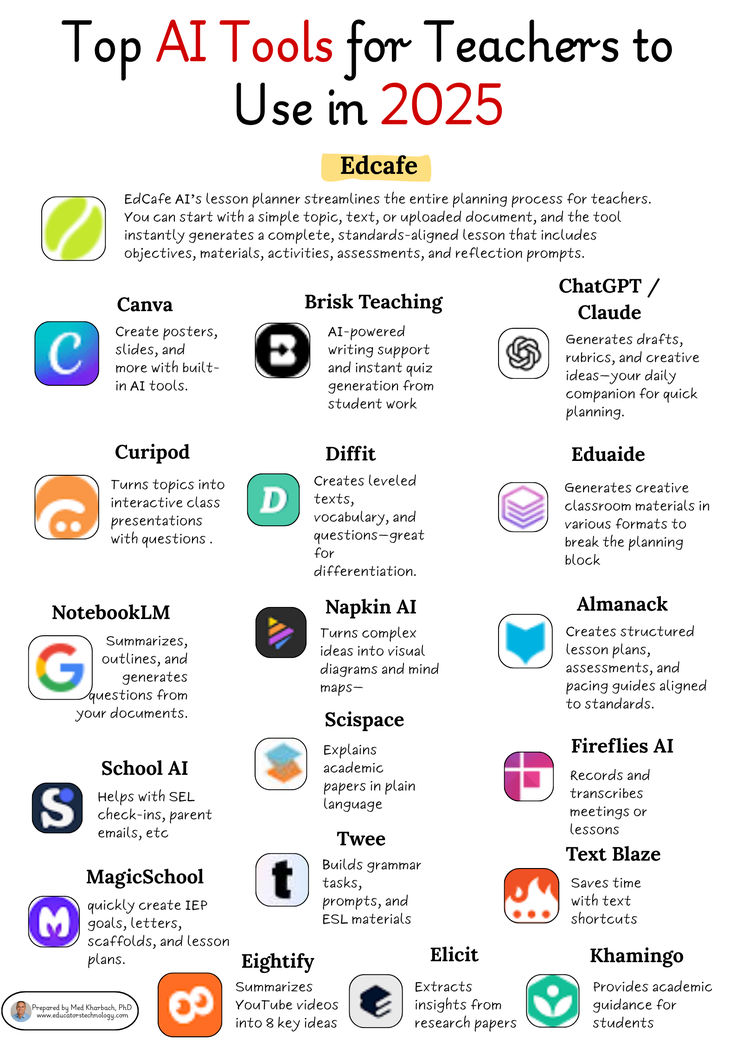
AI tutors, such as ChatGPT, Khanmigo, and other specialized platforms, leverage advanced algorithms to interact with students in real time. These systems are capable of:
- Answering Questions Instantly: Students can get explanations for concepts, homework help, and problem-solving guidance anytime.
- Personalized Learning Paths: AI analyzes individual performance, identifies strengths and weaknesses, and adapts lessons accordingly.
- Practice and Assessment: Many AI tutors can generate quizzes, flashcards, and practice problems tailored to a student’s skill level.
- Feedback and Reflection: AI provides immediate feedback on responses, helping students understand mistakes and improve learning outcomes.
This combination of availability, adaptability, and interactivity makes AI tutors a powerful supplement to traditional instruction.
Advantages of 24/7 AI Academic Support
1. Learning on Your Schedule
Students no longer need to wait for office hours or scheduled tutoring sessions. AI tutors are accessible at any time, supporting early-morning study sessions, late-night revisions, or flexible weekend learning.
2. Personalized Attention
Unlike a classroom setting where teachers divide attention among many students, AI tutors focus on individual learning needs. The system adapts to pace, difficulty, and preferred learning style, ensuring effective comprehension.
3. Instant Feedback and Reinforcement
Immediate responses help students correct errors in real time, reinforcing understanding and promoting active learning. This reduces frustration and accelerates mastery of concepts.
4. Diverse Subject Coverage
AI tutors can support a wide range of subjects, from mathematics and science to literature, history, and coding. Students can explore interdisciplinary topics or receive guidance in areas outside their standard curriculum.
5. Encouraging Independent Learning
By providing hints, explanations, and structured guidance rather than direct answers, AI tutors foster problem-solving skills, critical thinking, and academic independence.
Popular AI Tutor Platforms
- ChatGPT: Flexible, general-purpose AI capable of answering questions, generating summaries, and creating practice exercises across multiple subjects.
- Khanmigo: AI tutor integrated with Khan Academy, offering curriculum-aligned lessons, interactive exercises, and progress tracking.
- Socratic by Google: Assists with step-by-step explanations for math, science, and humanities problems, leveraging AI to guide understanding.
- Quizlet AI: Generates adaptive flashcards, quizzes, and practice sets to reinforce learning and target weak areas.
Best Practices for Students Using AI Tutors
- Combine AI tutoring with traditional study methods for balanced learning.
- Use AI for clarification and practice, not as a shortcut to bypass learning.
- Track progress and reflect on feedback provided by AI to identify patterns and improvement areas.
- Set specific goals for AI-assisted study sessions to maximize effectiveness.
- Explore multiple AI platforms to find the combination that fits personal learning needs.
Conclusion
AI tutors providing 24/7 academic support are redefining personalized learning in 2025. By offering instant assistance, individualized guidance, and adaptive practice, these tools empower students to learn efficiently and independently. The accessibility, flexibility, and personalized attention AI tutors provide make them an essential part of modern education. As AI continues to evolve, its role in supporting student achievement and mastery of complex concepts will only grow, heralding a new era of learning where education is available anytime, anywhere.
