



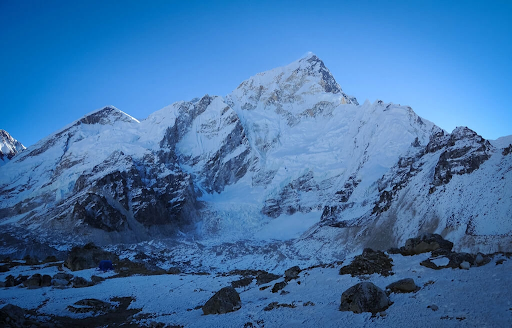
The Everest Three High Passes Trek is one of the most demanding and rewarding adventures in the Himalayas. Considered the ultimate circuit in the Everest region, this trek combines breathtaking mountain scenery, authentic Sherpa culture, and the challenge of crossing three high-altitude passes — Kongma La (5,535m), Cho La (5,420m), and Renjo La (5,360m). For experienced trekkers seeking an immersive and less-crowded alternative to the classic Everest Base Camp route, the Three Passes Trek delivers a once-in-a-lifetime journey.
A Trek Designed for True Adventure Seekers
Unlike standard commercial trekking routes, the Everest Three High Passes Trek offers a 360-degree exploration of the Khumbu region. The trail forms a loop that connects remote valleys, high mountain passes, vibrant Sherpa villages, glacial lakes, and iconic viewpoints. It is a physically demanding trek requiring strong fitness, proper acclimatization, and mental resilience — but the rewards are unmatched.
Trekkers not only get the opportunity to visit Everest Base Camp (5,364m) and Kala Patthar (5,545m) but also explore lesser-known gems such as Gokyo Lakes, Gokyo Ri, Chhukung, and Thame. The path weaves through diverse landscapes, from rhododendron forests to glacial moraines, revealing the stunning diversity of the Everest region.
Crossing the Three Major Passes
1. Kongma La Pass (5,535m)
The first of the three, Kongma La, is also considered the most challenging. It lies between Chhukung and Lobuche and offers dramatic views of Lhotse, Makalu, Ama Dablam, and the Khumbu Glacier. The ascent involves trekking over rocky terrain and sometimes snow, depending on the season. The sense of accomplishment upon reaching the pass is enormous, with panoramic views stretching across the Himalayan horizon.
2. Cho La Pass (5,420m)
Cho La is the most technical of the three passes. It connects Dzongla with the Gokyo Valley. The route involves crossing glaciated terrain, where trekkers often use microspikes or crampons. The descent on the Gokyo side is steep but incredibly scenic, leading to the turquoise waters of the famous Gokyo Lakes. Trekkers consider the crossing of Cho La to be one of the highlights of the entire circuit.
3. Renjo La Pass (5,360m)
Renjo La is often described as the most beautiful pass due to its stunning vantage point over the Gokyo Lakes and the formidable line-up of Himalayan giants — Everest, Lhotse, Cho Oyu, and Makalu. The wide and well-defined trail makes the ascent manageable, and the descent to Thame reveals peaceful Sherpa settlements and ancient Buddhist culture.
Cultural Richness Along the Route
The Everest region is the spiritual heartland of the Sherpa people, renowned for their mountaineering achievements and rich traditions. The Three High Passes Trek offers countless opportunities to experience their hospitality. Villages such as Namche Bazaar, Khumjung, Pangboche, and Thame provide insights into ancient monasteries, prayer wheels, mani walls, and Tibetan-inspired architecture.
A visit to Tengboche Monastery, the largest monastery in the region, adds a spiritual pause to the journey. Trekkers often attend morning prayers, surrounded by prayer flags fluttering in the crisp Himalayan air. This blend of natural beauty and living culture elevates the trek into a soulful experience.
Gokyo Valley and Its Turquoise Lakes
One of the most unforgettable parts of the trek is the Gokyo Valley, home to six pristine high-altitude lakes. These surreal turquoise waters are considered sacred, and their reflection of the surrounding peaks creates postcard-perfect scenery. A climb to Gokyo Ri (5,357m) offers one of the best panoramic views in the Himalayas, often considered superior to Kala Patthar. Here, trekkers witness Everest in its full majesty, rising behind a chain of snow-capped giants.
Wildlife and Natural Wonders
The Everest region lies within Sagarmatha National Park, a UNESCO World Heritage Site. The trek offers encounters with unique Himalayan wildlife such as:
- Himalayan tahr
- Musk deer
- Snow pigeons
- Impeyan pheasant (Danphe), Nepal’s national bird
The dramatic landscapes include glacial rivers, towering icefalls, and massive peaks. The crossing of the Khumbu Glacier and witnessing the ice movement up close adds a powerful reminder of nature’s raw force.
Challenges and Preparation
Because of its high altitude and three strenuous pass crossings, the Everest Three High Passes Trek is recommended for trekkers with prior high-altitude experience. Preparation should include cardio training, strength conditioning, and mental endurance. Proper acclimatization is crucial to avoid altitude sickness. The trek usually spans 17 to 21 days, depending on itinerary and acclimatization days.
Weather conditions also play an important role. The best seasons are:
- Spring (March to May): Clear skies, blooming rhododendrons
- Autumn (September to November): Stable weather, excellent visibility
Winter and monsoon seasons are generally avoided due to snow-blocked passes and slippery trails.
A Less-Crowded Alternative to the Classic EBC Route
While Everest Base Camp Trek remains extremely popular, the Three Passes Trek offers a quieter and more immersive experience. Many parts of the route see fewer trekkers, allowing for deep connection with nature and greater opportunities for solitude. For photographers and nature lovers, the open landscapes and less-traveled paths provide endless opportunities.
Conclusion
The Everest Three High Passes Trek stands as one of Nepal’s most exhilarating and comprehensive trekking adventures. It offers the perfect blend of challenge, natural beauty, and cultural richness. By crossing Kongma La, Cho La, and Renjo La, trekkers experience the full grandeur of the Himalayas — from iconic peaks to serene valleys and sacred lakes. This trek is more than just a physical challenge; it is a transformative journey that rewards with unforgettable memories, breathtaking scenery, and a profound sense of accomplishment. For those seeking the ultimate Himalayan adventure, the Everest Three High Passes Trek is truly unrivaled.
CONTACT US;
COMPANY NAME; Nepal Pioneer Treks and Expedition Pvt. Ltd.
ADDRESS; Thamel, Kathmandu 44600, Nepal
EMAIL; [email protected]
WHATSAPP NO; +977 9841159744 (Binod)
