



When it comes to building muscle, few debates are as common in the gym as machines versus free weights. Both have distinct advantages, and each can contribute to mass gain, but understanding their differences is key to creating an effective training program. This article examines the strengths and limitations of both approaches and offers guidance on how to use them strategically for optimal Bodytone muscle growth.
The Case for Free Weights
Free weights, including dumbbells, barbells, and kettlebells, allow for natural, unrestricted movements. They engage multiple muscle groups and require stabilizing muscles to maintain balance and posture. This not only increases overall muscle recruitment but also improves coordination and functional strength. Compound exercises such as squats, deadlifts, and bench presses are typically performed with free weights, making them highly effective for stimulating large amounts of muscle mass.
Free weights also provide greater range of motion, which can lead to fuller muscle activation. Lifters can vary angles, grips, and positions, targeting muscles from multiple directions. For experienced athletes, free weights allow for versatile programming, progressive overload, and complex movement patterns that challenge both strength and control.
The Case for Machines
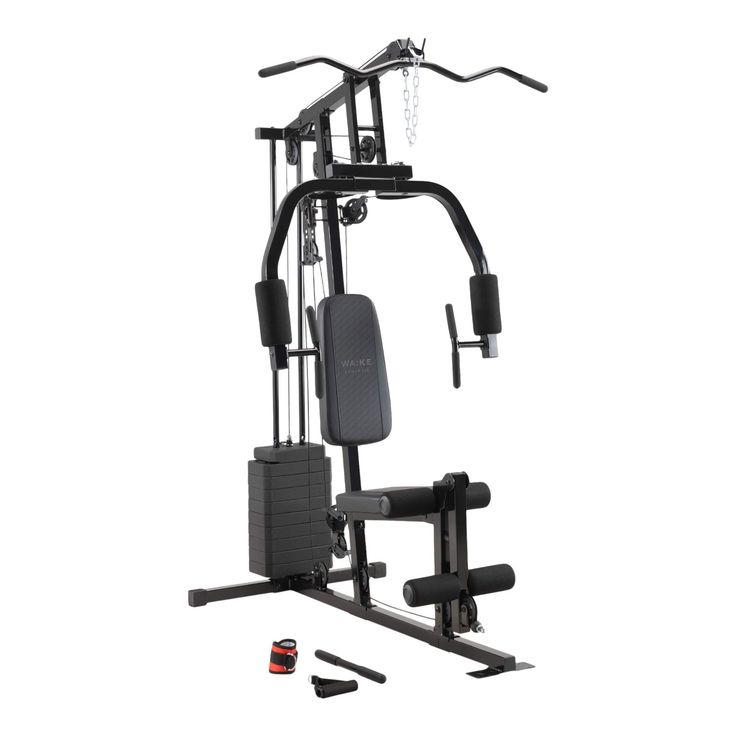
Weight machines, on the other hand, offer a controlled, guided path of motion. This makes them ideal for isolating specific muscles, reducing joint strain, and maintaining proper form—especially for beginners or those lifting heavy without a spotter. Machines minimize the need for stabilizing muscles, allowing the target muscle to bear the brunt of the effort. This can be particularly beneficial for hypertrophy, as it ensures consistent tension throughout the movement.
Machines are also excellent for safely increasing training volume. You can push to near failure without compromising form, and the predictable mechanics reduce fatigue caused by balance and stabilization. This makes them ideal for targeted mass-building sessions, high-repetition sets, and corrective training for muscle imbalances.
Key Differences in Muscle Building
-
Muscle Recruitment
-
Free weights: Engage primary and stabilizing muscles. Ideal for compound lifts and overall strength.
-
Machines: Focus primarily on the target muscle, minimizing stabilizer involvement for more direct isolation.
-
-
Safety and Form
-
Free weights: Require careful attention to form; incorrect technique can increase injury risk.
-
Machines: Guide movement, offering safer lifting, especially for beginners or high-rep sets.
-
-
Progressive Overload
-
Free weights: Flexible and easily adjusted for load increments; allows natural progression with compound lifts.
-
Machines: Weight stacks and pins offer precise, micro-increment adjustments, ideal for tracking hypertrophy gains.
-
-
Range of Motion
-
Free weights: Full, natural range; promotes functional strength.
-
Machines: Fixed paths limit movement variety but ensure consistent tension on the target muscle.
-
Finding the Balance
For most lifters, the most effective approach combines both methods. Free weights are excellent for building foundational strength, recruiting stabilizers, and performing heavy compound lifts. Machines complement this by isolating muscles, increasing volume safely, and addressing weak points or imbalances. A hybrid routine allows you to enjoy the benefits of both worlds: the functional strength and mass-building power of free weights with the targeted, safe isolation that machines provide.
Sample Hybrid Mass-Building Routine
-
Squats (free weights) – 4 sets of 6–10
-
Leg Press (machine) – 3 sets of 10–12
-
Bench Press (free weights) – 4 sets of 6–10
-
Chest Fly (machine) – 3 sets of 10–12
-
Deadlifts (free weights) – 3 sets of 6–8
-
Lat Pulldown (machine) – 3 sets of 8–12
-
Cable Triceps Pushdown – 3 sets of 10–12
-
Bicep Curl (machine or cable) – 3 sets of 10–12
Conclusion
Neither machines nor free weights are inherently superior for building mass—they each serve a purpose. Free weights provide functional strength, engage stabilizers, and allow versatile compound lifts, while machines offer safe, controlled, and precise muscle isolation. By combining both in a structured program, you can maximize hypertrophy, reduce injury risk, and achieve well-rounded muscle development. Smart training isn’t about choosing one over the other—it’s about using both tools to their fullest potential.
