



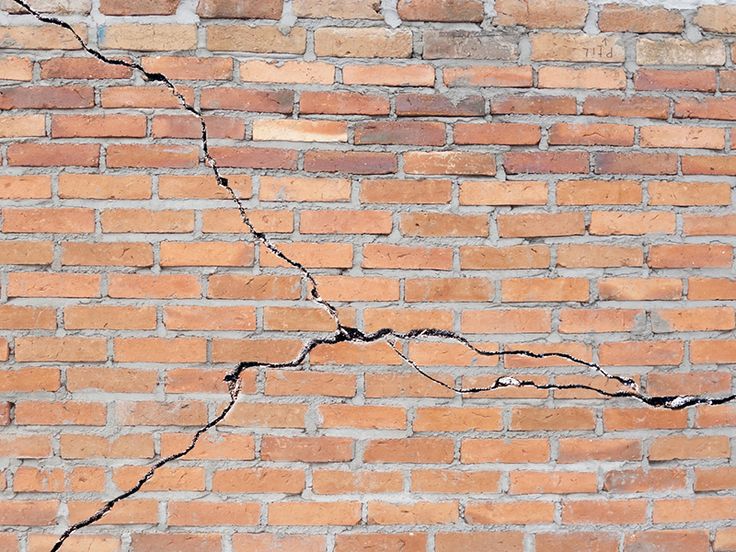
Radon is an invisible, odorless gas that seeps naturally from soil and rock into homes, posing serious health risks over time. The Radon Risk highlights how foundation cracks and gaps in basement leak repair can serve as entry points for this dangerous gas, and why homeowners must address both radon exposure and structural damage proactively.
Understanding Radon
Radon is a radioactive gas produced by the natural decay of uranium in soil and rock. While it is present in small amounts outdoors, it can accumulate to dangerous levels indoors, particularly in basements and lower levels of homes. Long-term exposure to elevated radon levels is the second leading cause of lung cancer after smoking.
Homes with foundation cracks, gaps, or improperly sealed basements are especially vulnerable because radon naturally moves from the soil into spaces with lower air pressure. Every small crack is a potential entry point.
How Foundation Cracks Allow Radon In
Even minor cracks in walls, floors, or around utility penetrations can provide pathways for radon gas to enter your home. Contributing factors include:
-
Basement walls and floors: Cracks caused by settling, hydrostatic pressure, or shrinkage allow radon to seep in.
-
Gaps around pipes or drains: Poorly sealed utility penetrations increase the number of entry points.
-
Crawl spaces: Open vents or gaps in subflooring can channel radon from the soil into living areas.
Because radon is odorless and invisible, homeowners may be unaware of its presence until testing reveals elevated levels.
Health Risks of Radon Exposure
Radon gas emits radioactive particles that, when inhaled, can damage lung tissue over time. Health risks include:
-
Increased likelihood of lung cancer
-
Greater susceptibility for smokers or individuals with preexisting respiratory conditions
-
Long-term exposure can be fatal if left unchecked
Addressing radon exposure is not optional—it is a critical health measure for any home with cracks or unsealed basements.
Signs You May Have a Problem
Radon cannot be detected by sight or smell, so testing is essential. However, homes with foundation issues are at higher risk:
-
Visible cracks in basement walls or floors
-
Uneven or settling foundation
-
Moisture issues that indicate soil gas pathways
-
Older homes with deteriorating foundations
Preventive Measures
Homeowners can take steps to minimize radon entry:
-
Seal foundation cracks and gaps: Use epoxy or polyurethane to close cracks in floors and walls.
-
Install a radon mitigation system: Sub-slab depressurization systems actively vent radon gas away from the home.
-
Regular radon testing: Short-term and long-term tests help monitor gas levels and detect increases.
-
Improve ventilation: Increasing airflow in basements can reduce radon concentration.
Repairing and Protecting Your Home
If your home already has foundation cracks or elevated radon levels:
-
Address structural issues first: Repairing cracks reduces both water infiltration and radon entry.
-
Professional radon mitigation: Certified radon specialists can design effective systems to keep your home safe.
-
Routine monitoring: Continuous or periodic testing ensures radon levels remain within safe limits.
Conclusion
The Radon Risk shows that foundation cracks are not just a structural concern—they are a direct pathway for dangerous radon gas into your home. By repairing cracks, sealing gaps, testing for radon, and implementing mitigation systems, homeowners can protect both their property and their family’s health.
Ignoring cracks may seem minor, but when radon is involved, even the smallest fissure can have serious consequences. Early detection, proactive repairs, and proper mitigation are essential for a safe and healthy home environment.
