



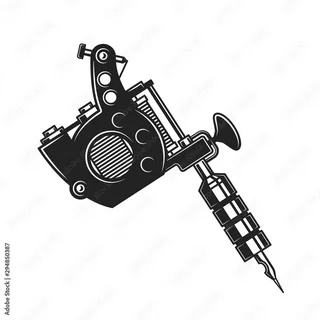
Tattoos have long been a form of personal expression, art, and cultural significance. Behind every design etched into the skin lies a piece of equipment that plays a crucial role in its creation: the tattoo machine. For those who are new to the world of tattooing, understanding how tattoo guns work is the first step toward mastering the craft. In this article, we’ll dive into the tattoo gun basics, explaining how tattoo machines operate, the different types, and the essential components you need to know.
What is a Tattoo Gun?
Before diving into the technicalities, it’s important to first define what a “tattoo gun” is. Often referred to as a tattoo machine, it is the primary tool used by professional tattoo artists to apply ink into the skin. A tattoo machine uses a series of needles that move up and down at high speeds, injecting ink into the dermis (the second layer of skin). The term “tattoo gun” is widely used, but it’s important to note that the proper terminology is “tattoo machine.” Regardless, the concept remains the same: a tool designed to create permanent art on the skin.
The Basic Components of a Tattoo Machine
To fully understand the tattoo gun basics, it’s important to familiarize yourself with the key components of a tattoo machine. Each part plays an integral role in the overall functioning of the tattoo gun.
1. Frame
The frame is the skeleton of the tattoo machine. It holds the other parts together and gives the machine its structure. Frames are typically made from metal, such as aluminum, steel, or brass, and come in various shapes and sizes to suit different tattooing styles.
2. Coil
Tattoo machines often have one or two coils that act as electromagnets. When the machine is turned on, the electric current flows through these coils, creating a magnetic field. This field powers the armature bar to move, which in turn causes the needles to move up and down.
3. Armature Bar
The armature bar is a key moving part in a tattoo machine. It is attached to the needles and moves as a result of the magnetic pull created by the coils. When the armature bar moves up and down, it drives the needle group, allowing them to puncture the skin and deposit ink.
4. Needles
The needles are the tools that actually deposit ink into the skin. They are attached to the armature bar and move rapidly up and down to puncture the skin at a controlled depth. Different needles are used for shading, lining, and coloring, and they come in various configurations (e.g., single, round, flat).
5. Power Supply
The power supply is the heart of the tattoo machine, providing the necessary electricity to make the machine run. Modern tattoo machines are typically powered through a foot pedal, which allows the artist to control when the machine is on and off.
Types of Tattoo Machines
Now that you have a basic understanding of what makes up a tattoo machine, it’s time to explore the different types. There are several styles of tattoo machines, each designed for specific tasks. Understanding these will give you insight into the tattoo gun basics and how they affect the tattooing process.
1. Coil Tattoo Machines
The traditional “tattoo gun” is a coil machine. Coil machines use electromagnetic coils to drive the armature bar. They are versatile, reliable, and often preferred by experienced tattoo artists for lining and shading.
2. Rotary Tattoo Machines
Unlike coil machines, rotary tattoo machines use a motor to drive the needle. Rotary machines are known for their quieter operation and smoother performance. They’re often preferred by artists who need a more consistent flow of ink for shading or coloring.
3. Pneumatic Tattoo Machines
These are relatively new in the tattooing world and use compressed air to power the needle movement. Pneumatic machines are lightweight and have a very smooth action, making them ideal for long tattooing sessions.
Tattoo Gun Basics: How It Works
Understanding the mechanics of a tattoo machine is essential for both aspiring tattoo artists and those interested in the art form. The tattoo machine works through the principle of electromagnetism.
- The Power Source: The machine is plugged into an electrical power supply, which regulates the flow of electricity to the coils. The power supply often includes a foot pedal, which gives the artist control over when the machine is on or off.
- Electromagnetic Action: When the power is on, the current flows through the coils, creating a magnetic field. This pulls the armature bar toward the coils, causing the needles to move.
- Needle Movement: As the armature bar moves toward the coils, the needles move up and down in rapid succession, puncturing the skin and depositing ink in the dermis layer.
- Ink Delivery: The needles are dipped into a small cup of tattoo ink. As they move up and down, the ink is pushed into the skin, creating the desired design.
Conclusion: Mastering Tattoo Gun Basics
Whether you’re considering a career in tattoo artistry or simply fascinated by the process, understanding tattoo gun basics is an essential first step. The tattoo machine, or tattoo gun, is a finely tuned tool that requires skill and precision to master.
