



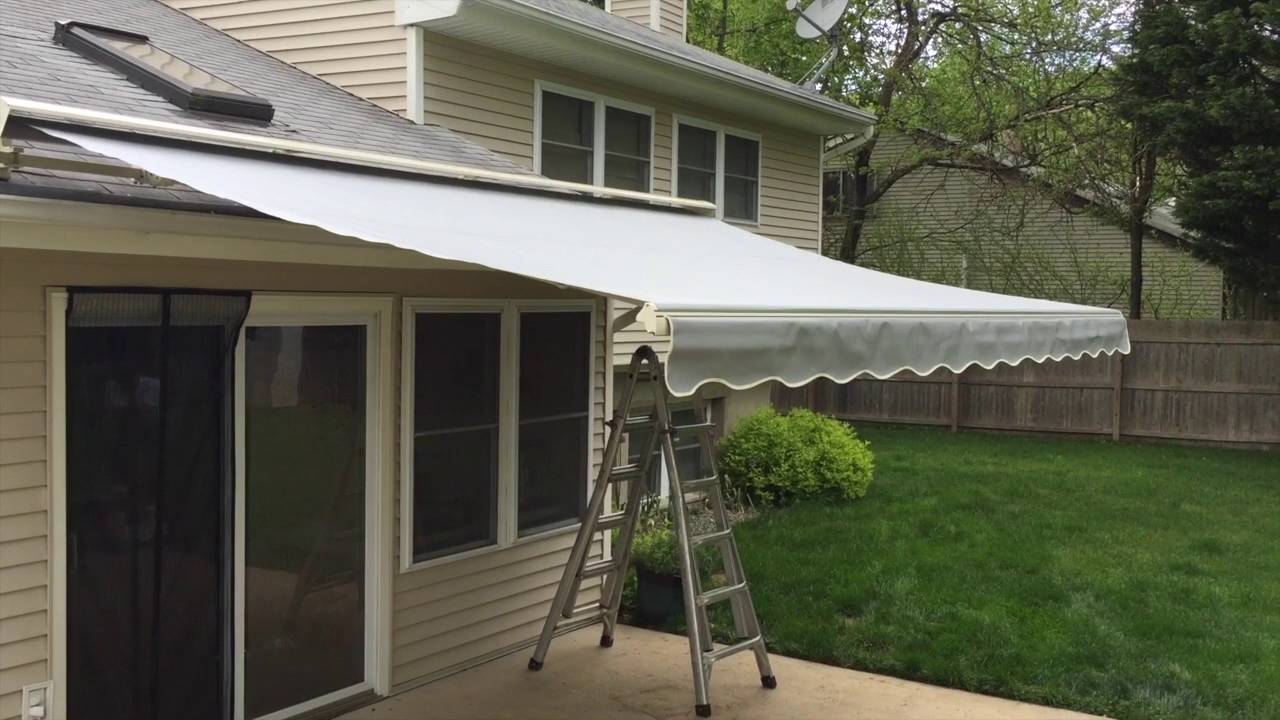
Retractable awnings are an excellent investment for both residential and commercial properties. They offer shade and shelter from the sun while adding an element of style to outdoor spaces. However, choosing the right materials for a retractable awning is crucial to ensure that it remains durable and visually appealing for years to come. In this article, we’ll explore the best materials for retractable awnings, balancing durability and style to help you make the best choice for your needs.
Why Material Matters for Retractable Awnings
When selecting the best retractable awning for your home or business, the material plays a pivotal role in its longevity, maintenance, and aesthetic appeal. The material you choose affects how well the awning stands up to the elements, how it looks, and how much care it requires over time. Whether you want a sleek, modern look or something more traditional, understanding The Best Materials for Retractable Awnings: Durability Meets Style will ensure you make an informed decision.
Popular Materials for Retractable Awnings
Here, we’ll delve into some of the most common materials used for retractable awnings, each offering a unique combination of strength and design versatility.
1. Acrylic Fabric
Acrylic fabric is a popular choice for high-quality retractable awnings. Known for its durability and UV resistance, acrylic fabric can withstand harsh weather conditions, including heavy sunlight, rain, and wind. It’s available in a variety of colors and patterns, making it a great option for those who want to add style to their outdoor spaces. Acrylic awnings are also water-resistant, ensuring that they don’t become a breeding ground for mildew or mold.
Pros:
- UV and fade resistant
- Water-resistant
- Wide range of colors and patterns
- Easy to maintain
Cons:
- Can be heavier than other fabrics, which might affect the ease of retraction
2. Polyester with PVC Coating
Polyester fabric coated with PVC is another popular choice for retractable awnings. The PVC coating adds extra water resistance and durability, making it suitable for both residential and commercial use. This material tends to be more affordable than acrylic fabric and is available in various colors and patterns, offering a good balance between style and functionality.
Pros:
- Affordable
- Water-resistant and durable
- Variety of styles and colors
- Lightweight and easy to handle
Cons:
- May not be as UV resistant as acrylic
- Can be more prone to wear and tear over time compared to other materials
3. Vinyl Fabric
Vinyl fabrics are known for their heavy-duty protection and resistance to weathering. Vinyl is excellent at repelling water, making it ideal for areas that experience a lot of rain or high humidity. Vinyl retractable awnings are also incredibly durable and resistant to mildew, making them a popular choice for coastal regions or places with high humidity.
Pros:
- Extremely weather-resistant
- Mildew and mold resistant
- High durability
- Ideal for rain-prone areas
Cons:
- Limited range of colors and patterns
- Heavier than other fabric options, which may impact ease of retraction
The Perfect Balance: Durability and Style
When searching for The Best Materials for Retractable Awnings: Durability Meets Style, it’s important to think about the climate in your area. For example, if you live in a place that experiences high UV levels, materials like acrylic fabric may be more suitable due to their UV resistance and color retention properties. On the other hand, if your area is prone to heavy rainfall, vinyl fabric may be the better choice for its water-repellent properties.
It’s also worth considering the aesthetics of your retractable awning. While durability is essential, you want a material that complements the overall design of your outdoor area. Whether you choose a classic color or a more vibrant design, the material will influence how your awning looks and fits into your space.
Maintenance Considerations
In addition to durability and style, you’ll want to think about the maintenance needs of the material. For example, acrylic and polyester fabrics are generally low-maintenance and only require occasional cleaning to maintain their appearance. Vinyl fabrics, while durable, may need more frequent cleaning to avoid buildup from rain or salt if you live in coastal areas.
Tip: Regularly cleaning your retractable awning with a mild soap solution can help extend its lifespan and keep it looking fresh.
Conclusion
Choosing The Best Materials for Retractable Awnings: Durability Meets Style is all about finding the right balance between weather protection, longevity, and aesthetic appeal. Acrylic, polyester with PVC coating, and vinyl fabric all offer different benefits, so you’ll want to consider your specific needs—whether that’s UV protection, water resistance, or style versatility.
