



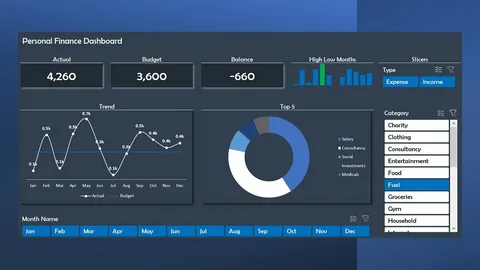
In a world overloaded with data, tools, and notifications, a personal dashboard can either simplify your life or become just another thing you ignore. The difference lies in intention. A well-designed dashboard helps you focus on what truly matters, supports your goals, and adapts to how you actually work—not how an app designer thinks you should.
Understanding Your Real Needs
Before jumping into layouts or tools, take a step back. Ask yourself what problems you want the dashboard to solve. Is it about tracking work tasks, monitoring habits, managing finances, or keeping an eye on personal goals? Designing a Personal Dashboard That Actually Works for You starts with clarity about your priorities, not with features.
Write down the top three outcomes you want from your dashboard. Anything that doesn’t directly support those outcomes probably doesn’t belong there.
Choosing the Right Information
A common mistake is trying to include everything. More data does not equal more insight. Instead, focus on high-value metrics—information that drives decisions or actions. For example, one clear productivity metric is often more useful than ten vague ones.
Group related information together and keep visuals simple. Charts, progress bars, and short lists are usually more effective than dense tables of numbers.
Designing for Daily Use
Your dashboard should feel natural to check, not like a chore. Place the most important information at the top, where your eyes go first. Use consistent colors and labels so your brain doesn’t have to “relearn” the interface each time.
When Designing a Personal Dashboard That Actually Works for You, usability matters more than aesthetics. A clean, readable design that loads quickly will always beat a beautiful but confusing one.
Reviewing and Improving Over Time
Your goals will change, and your dashboard should change with them. Schedule a regular review—monthly or quarterly—to remove what you no longer use and refine what still matters. Treat your dashboard as a living system, not a finished project.
In the end, the best dashboard is one that quietly supports your decisions and helps you stay focused. If it makes your day clearer and your goals more visible, then it’s doing its job.
