



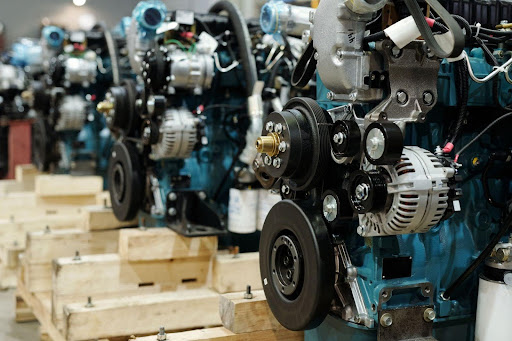
The automotive world has always been shaped by innovation, and few markets have contributed as consistently as Japan. From fuel-efficient compacts to performance legends, Japanese automakers have built a reputation for engineering excellence. Today, a growing number of American car owners are turning to JDM — Japanese Domestic Market — engines and transmissions as a cost-effective, reliable solution for their vehicles. Whether it’s a weekend project car or a daily driver needing a powertrain refresh, JDM components offer a compelling combination of quality, affordability, and performance.
What Makes JDM Engines Different?
JDM engines are powertrains that were originally manufactured for vehicles sold exclusively in Japan. Because Japanese regulations, driving conditions, and inspection standards differ significantly from those in North America, these engines often arrive with notably lower mileage than their domestic counterparts. Japan’s rigorous vehicle inspection program, known as “shaken,” requires comprehensive evaluations every two years. The cost and complexity of these inspections lead many Japanese vehicle owners to replace their cars rather than invest in maintaining older models. As a result, engines with only 40,000 to 70,000 kilometers find their way into the export market in excellent working condition.
This system creates a steady supply of well-maintained powertrains that American buyers can access at a fraction of the cost of a brand-new engine. For owners of popular models from Honda, Toyota, Nissan, Subaru, and Mazda, JDM engines represent an opportunity to breathe new life into their vehicles without the hefty price tag associated with dealer-sourced replacements.
The Economic Argument for Imported Japanese Powertrains
One of the strongest reasons drivers consider JDM engines is the financial advantage. A remanufactured engine from a domestic supplier can cost thousands of dollars, and that figure often climbs when factoring in labor and additional parts. JDM engines, on the other hand, are typically available at significantly lower price points while offering comparable — and sometimes superior — reliability.
The savings extend beyond the initial purchase. Because these engines come from vehicles that were maintained under Japan’s strict standards, buyers often encounter fewer issues during and after installation. Many importers also include associated components like wiring harnesses, sensors, and intake manifolds, which reduces the need to source individual parts separately. For budget-conscious car owners and independent mechanics alike, this bundled approach simplifies the swap process and keeps total project costs manageable.
Understanding the Import Process
For anyone unfamiliar with the JDM supply chain, the process can seem opaque at first. Engines are sourced from dismantlers and auction houses across Japan, then inspected, cataloged, and shipped to importers in the United States. Reputable suppliers conduct compression tests, visual inspections, and leak checks before listing inventory for sale. Once stateside, engines are stored in warehouses and made available for purchase online or in person.
Choosing a trustworthy importer is arguably the most important step in the entire process. Buyers should look for companies that provide detailed information about mileage, condition, and compatibility. Warranty coverage is another essential consideration — a supplier that stands behind their products with a meaningful warranty demonstrates confidence in what they sell. Texas JDM Motors is one example of a specialized importer that focuses exclusively on Japanese engines, transmissions, and parts, offering a catalog that covers major brands like Acura, Honda, Toyota, Lexus, Nissan, Subaru, Mazda, and Mitsubishi.
Popular JDM Engine Swaps and Their Appeal
Certain engine families have achieved near-legendary status in the JDM swap community. The Honda B-series and K-series engines remain favorites among Civic and Integra owners looking for a balance of reliability and tuning potential. Toyota’s 2JZ and 1JZ powerplants continue to attract drift and drag racing enthusiasts who appreciate their robust cast-iron blocks and forced-induction capabilities. Subaru’s EJ-series boxer engines appeal to WRX and Impreza owners seeking a direct-fit replacement with proven all-wheel-drive compatibility.
Beyond the performance crowd, everyday drivers also benefit from JDM sourcing. A Honda CR-V owner facing a failing K24 engine can find a low-mileage Japanese replacement that bolts in with minimal modification. The same applies to Toyota Camry and Corolla owners who want to keep their dependable sedans on the road without investing in a new vehicle. The versatility of JDM sourcing makes it relevant for enthusiasts and practical drivers alike.
What to Look for When Buying a JDM Engine
Navigating the JDM market requires some basic knowledge to avoid common pitfalls. First, verify compatibility by matching the engine code, not just the model name. Japanese-market vehicles sometimes used different engine variants than their North American equivalents, so confirming the exact code ensures a proper fit. Second, ask about mileage documentation. Reputable sellers provide the original kilometer reading from the Japanese auction sheet or dismantler records.
Third, inquire about the included accessories. Some engines ship as long blocks without peripheral components, while others arrive complete with alternators, power steering pumps, and exhaust manifolds. Knowing exactly what you’re receiving helps avoid unexpected additional purchases. Finally, understand the warranty terms before committing to a purchase. Coverage varies between suppliers, so clarify what is and isn’t included.
The Role of Transmissions in a Successful Swap
An engine swap is only half the equation. The transmission must be compatible with both the engine and the vehicle’s drivetrain configuration. JDM transmissions often differ from North American versions in gear ratios, bell housing patterns, and electronic controls. For manual transmission enthusiasts, Japanese-spec gearboxes sometimes offer closer gear ratios that enhance the driving experience. Automatic transmission buyers should confirm that the torque converter and valve body specifications align with their engine choice.
Many experienced builders recommend sourcing the engine and transmission as a matched pair whenever possible. This approach eliminates guesswork around compatibility and ensures that both components have been operating together under similar conditions. It also streamlines the installation process, as mating surfaces, bolt patterns, and sensor connections are already confirmed to work together.
Climate Considerations for Engine Longevity
One factor that buyers in warmer states like Texas should consider is how climate affects engine performance and longevity. JDM engines from Japan were designed to operate across a range of conditions, but the sustained high temperatures found in the American South demand attention to cooling system components. Replacing the thermostat, radiator hoses, and coolant before installation is a smart preventive measure that costs little but provides significant peace of mind.
These small preventive measures help ensure that a JDM engine delivers the same reliable performance in Texas heat that it provided on Japanese roads.
Looking Ahead: The Future of JDM Imports
The JDM import market shows no signs of slowing down. As vehicles age and original powertrains reach the end of their service life, demand for affordable, quality replacements continues to grow.
For anyone considering an engine or transmission replacement, exploring the JDM route is worth the research. The combination of lower mileage, competitive pricing, and proven Japanese engineering makes imported powertrains a practical choice for a wide range of applications. With the right supplier and a clear understanding of compatibility, a JDM engine swap can add years of reliable service to a vehicle that might otherwise head to the scrapyard.
