



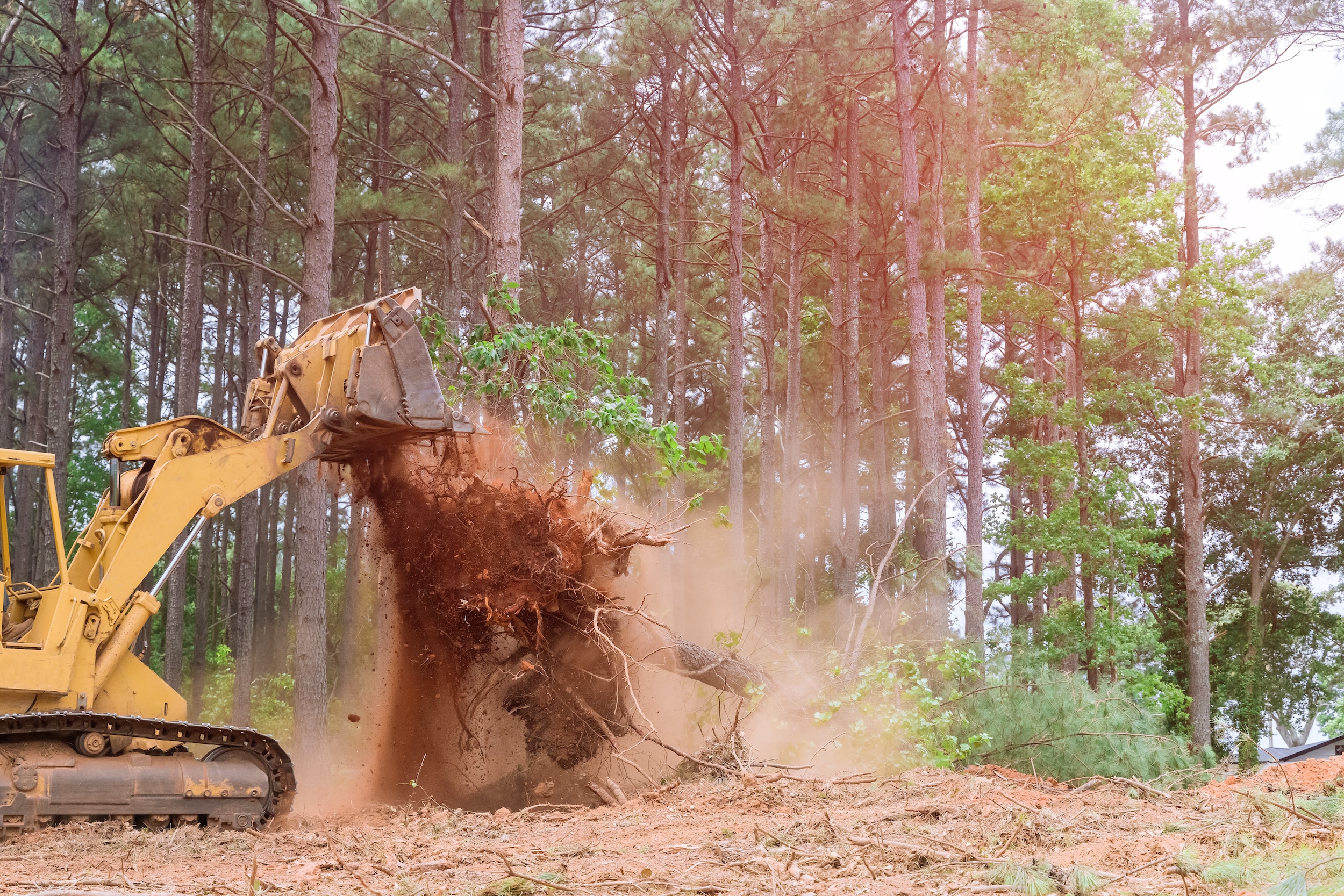
Land preparation is one of the most important early stages in any construction, farming, or development project. Professional land clearing transforms dense vegetation, uneven terrain, and unusable ground into a clean, functional space ready for its intended purpose. While the process may seem straightforward, it involves careful planning, specialized equipment, environmental consideration, and strict safety practices.
Below is a complete breakdown of how professional land clearing is typically carried out from start to finish.
1. Initial Site Assessment and Planning
Every successful land clearing project begins with a detailed site evaluation. Professionals inspect the land to understand its size, vegetation type, soil condition, slope, drainage patterns, and any obstacles such as rocks or old structures.
During this stage, environmental regulations are also reviewed to ensure compliance with local laws. This helps determine what can be cleared, what must be preserved, and what special permits may be required.
A clear project plan is then created, outlining the equipment needed, timeline, and method of clearing.
2. Marking Boundaries and Utilities
Before any physical work begins, the exact boundaries of the land are marked. This prevents accidental clearing of neighboring property or protected areas.
Underground utilities such as water pipes, gas lines, and electrical cables are also identified. This step is critical for safety and helps avoid costly damage or delays during the clearing process.
3. Vegetation Removal
The first physical stage of land clearing involves removing unwanted vegetation. This includes trees, shrubs, bushes, and thick undergrowth.
Depending on the project, professionals may use:
- Chainsaws for tree cutting
- Excavators with mulching attachments
- Bulldozers for pushing and clearing larger areas
Larger trees may be cut in sections for safe removal, while smaller vegetation is often mulched on-site to reduce waste.
4. Stump and Root Extraction
After trees are removed, stumps and root systems remain embedded in the soil. These must be completely removed to prevent regrowth and ensure a stable surface.
Common methods include:
- Mechanical stump grinders
- Excavators pulling out root systems
- Bulldozers for large-scale extraction
This step is essential for preparing land for construction or agriculture.
5. Debris Collection and Disposal
Once vegetation and stumps are cleared, the remaining debris is collected. This may include logs, branches, rocks, and organic material.
Depending on environmental guidelines and project goals, debris may be:
- Chipped into mulch
- Transported to recycling facilities
- Burned under controlled conditions (where permitted)
- Reused for erosion control or landscaping
Proper disposal ensures the site remains clean and compliant with regulations.
6. Grading and Leveling the Land
After clearing, the land is rarely ready for immediate use. Grading is required to create an even surface and improve drainage.
Heavy machinery such as graders and bulldozers is used to reshape the terrain. High spots are leveled, and low areas are filled to prevent water pooling and soil erosion.
This step is especially important for construction projects, as it ensures a stable foundation.
7. Soil Stabilization and Erosion Control
Once the land is leveled, professionals may implement erosion control measures. These can include:
- Installing silt fences
- Applying mulch or straw
- Planting ground cover vegetation
- Creating drainage channels
These measures help protect the cleared land from weather damage and soil displacement.
8. Final Inspection and Site Preparation
The final stage involves a thorough inspection of the cleared site. Professionals check for remaining debris, uneven areas, or potential hazards.
Once approved, the land is officially ready for its next phase—whether that is construction, farming, landscaping, or development.
9. Regional Considerations in Land Clearing
Different regions may have unique environmental rules, terrain challenges, and vegetation types that affect the clearing process. For example, projects involving land clearing in virginia often require careful attention to wooded areas, erosion control regulations, and seasonal weather conditions that can impact soil stability and equipment access.
Conclusion
Professional land clearing is a structured and highly technical process that goes far beyond simply removing trees. It involves careful planning, specialized machinery, environmental responsibility, and precise execution. When done correctly, it transforms raw, unusable land into a safe and stable foundation ready for development or cultivation.
