



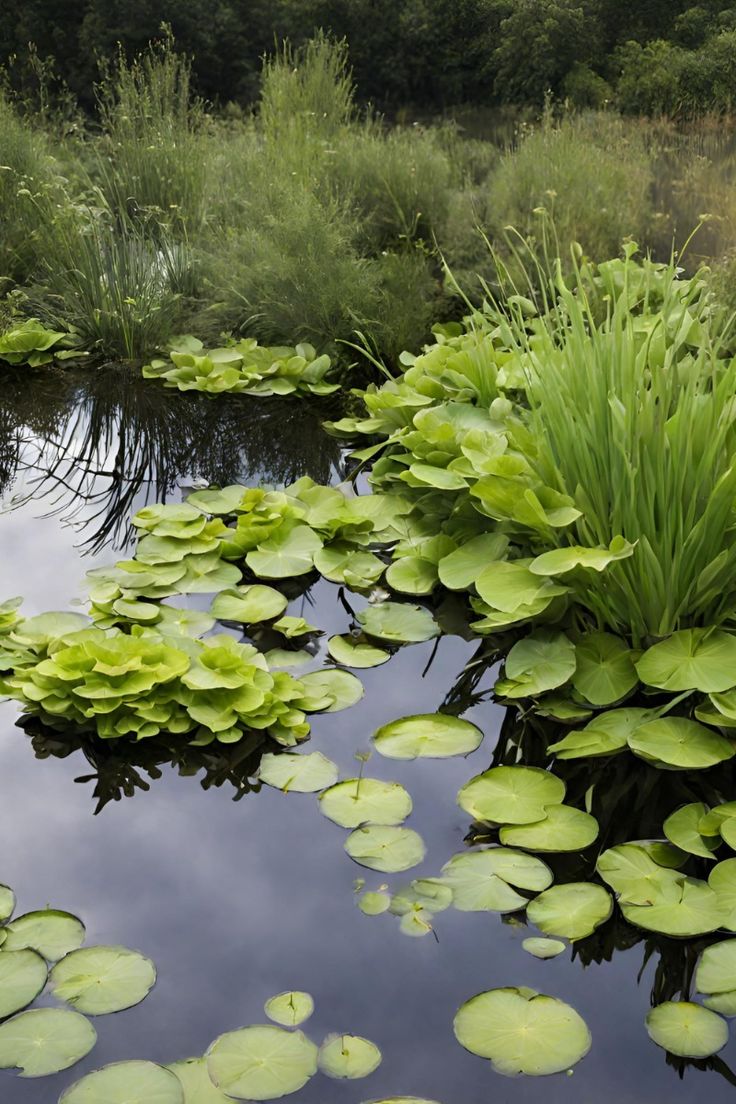
Creating a beautiful and healthy pond goes beyond adding water and fish. The right selection of pond plants plays a vital role in maintaining water quality, supporting aquatic life, and enhancing the overall appearance of your outdoor space. The Ultimate Guide to Choosing the Best Pond Plants for Every Pond helps you understand which plants are best suited for different pond types and how to care for them for long-lasting beauty.
Why Pond Plants Are Essential
Pond plants are much more than decorative additions. They contribute to a balanced aquatic ecosystem by:
- Producing oxygen for fish and beneficial bacteria.
- Absorbing excess nutrients that can lead to algae growth.
- Providing shelter and breeding areas for fish, frogs, and insects.
- Regulating water temperature by offering natural shade.
- Enhancing the visual appeal of the pond with colorful flowers and lush greenery.
A well-planted pond is healthier, easier to maintain, and more enjoyable throughout the year.
Types of Pond Plants
Choosing the right plants begins with understanding the different categories available.
Floating Plants
Floating plants drift on the water’s surface, providing shade and reducing algae by blocking excessive sunlight. Popular options include water lettuce, duckweed, and water hyacinth.
Marginal Plants
These plants grow in the shallow edges of ponds where their roots remain submerged while their foliage stays above the water. Examples include iris, pickerel rush, and marsh marigold.
Submerged Plants
Also known as oxygenating plants, submerged varieties grow entirely underwater. They improve water clarity by producing oxygen and absorbing nutrients. Hornwort and anacharis are common choices.
Deep-Water Plants
Deep-water plants grow with their roots anchored in the pond floor while their leaves and flowers float on the surface. Water lilies and lotus plants are among the most popular selections.
How to Choose the Best Pond Plants
When selecting pond plants, consider several important factors to ensure they thrive.
Consider Your Pond Size
Small ponds benefit from compact plant varieties that won’t overcrowd the water. Larger ponds can accommodate a wider mix of floating, submerged, and flowering plants.
Evaluate Sunlight Exposure
Most flowering pond plants require at least six hours of sunlight daily. If your pond is shaded, choose species that tolerate lower light conditions.
Match Plants to Water Depth
Different plants require specific water depths. Always check planting recommendations to ensure each variety is placed correctly.
Think About Maintenance
Some pond plants spread rapidly and require regular trimming. If you prefer a low-maintenance pond, choose slower-growing species that are easier to manage.
Best Pond Plants for Different Pond Styles
Wildlife Ponds
Native aquatic plants attract birds, frogs, dragonflies, and pollinators while supporting local biodiversity.
Ornamental Garden Ponds
Decorative ponds often feature colorful water lilies, lotus flowers, and elegant marginal plants that create a visually stunning landscape.
Fish Ponds
Ponds with koi or goldfish benefit from oxygenating plants and floating varieties that provide shade, helping reduce stress on fish during warmer months.
Common Mistakes to Avoid
Many pond owners make simple mistakes that can affect plant health and water quality.
- Overcrowding the pond with too many plants.
- Selecting invasive species that spread uncontrollably.
- Ignoring the sunlight needs of different plants.
- Failing to remove dead leaves and decaying vegetation.
- Planting species that are unsuitable for the local climate.
Avoiding these issues will help maintain a cleaner and healthier pond.
Seasonal Care Tips
Proper care throughout the year keeps pond plants thriving.
Spring
Divide overgrown plants, fertilize aquatic varieties, and introduce new species as temperatures rise.
Summer
Monitor water levels, remove excess growth, and ensure floating plants don’t completely cover the surface.
Autumn
Trim dying foliage and remove fallen leaves to prevent water pollution.
Winter
Protect sensitive plants from freezing temperatures or move tropical species indoors if necessary.
Final Thoughts
Building a thriving pond begins with selecting plants that suit your pond’s size, climate, and purpose. By understanding the different plant categories and following proper care practices, you can create a balanced aquatic environment that remains healthy and beautiful year-round. Whether you’re designing a small backyard water feature or a large ornamental pond, The Ultimate Guide to Choosing the Best Pond Plants for Every Pond provides the knowledge needed to make informed choices. With careful planning and regular maintenance, you’ll enjoy a vibrant pond ecosystem for years to come. Refer back to The Ultimate Guide to Choosing the Best Pond Plants for Every Pond whenever you’re expanding or refreshing your pond to ensure you choose the right plants for lasting success.
