



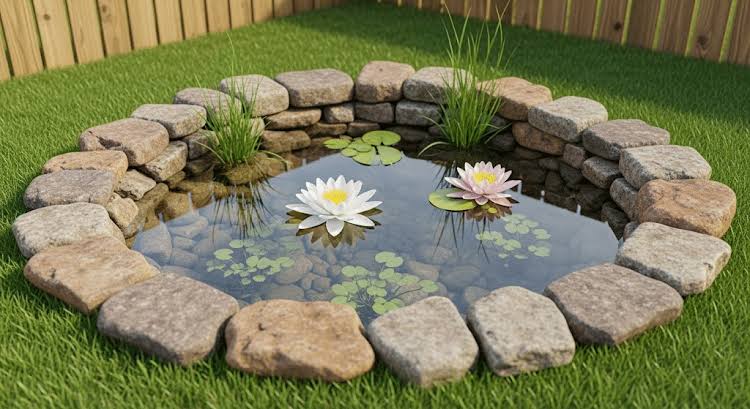
A pond can become one of the most beautiful features of a garden or outdoor space, but choosing the right plants is important for keeping it healthy and attractive. The right plants can add color, texture, shade, and natural beauty while also supporting the pond’s ecosystem. Fortunately, there are many simple options for beginners who want a low-maintenance and appealing water garden.
Why Are Pond Plants Important?
Pond plants do more than simply make a pond look beautiful. They can provide valuable benefits for the water and the wildlife that depends on it. Many aquatic plants help absorb excess nutrients from the water, which can reduce the conditions that encourage unwanted algae growth.
Plants also provide shelter and hiding places for fish, frogs, insects, and other pond wildlife. Floating and tall plants can create shade, helping to keep the water cooler during warm weather. For these reasons, Pond Plants: Easy Choices for a Healthy and Attractive Pond can make a noticeable difference in both the appearance and condition of your water feature.
Best Types of Pond Plants
There are several categories of pond plants, and each has a different role to play. Combining a few types can create a balanced and natural-looking pond.
Floating Plants
Floating plants remain on the surface of the water and can quickly add visual interest. Water lettuce and water hyacinth are common examples in suitable climates. They can provide shade and cover for fish while helping to limit the amount of sunlight reaching the water.
However, floating plants can spread quickly, so they should be monitored and thinned when necessary.
Submerged Plants
Submerged plants grow beneath the surface of the water. They are particularly useful because they can release oxygen into the water and provide underwater shelter for aquatic life.
Examples include hornwort and anacharis. These plants are often easy to establish and can be useful additions to ponds containing fish.
Marginal Plants
Marginal plants grow around the edges of ponds, with their roots in wet soil or shallow water. Popular choices include cattails, rushes, and certain varieties of iris.
These plants help soften the edges of a pond and create a natural transition between the water and surrounding garden. They can also provide habitats for insects and small animals.
Water Lilies
Water lilies are among the most popular pond plants because of their attractive flowers and large floating leaves. Their leaves provide shade for fish and can help make a pond feel more established and inviting.
Choose varieties that are appropriate for the size and depth of your pond, as some water lilies can spread significantly.
How to Choose the Right Pond Plants
When selecting plants, consider the size, depth, sunlight, and overall design of your pond. A plant that works well in a large, sunny pond may not be suitable for a small container pond or a heavily shaded area.
It is also important to check the growing requirements of each plant. Some species prefer full sun, while others perform better with partial shade. Choosing plants suited to your local climate can make maintenance much easier.
For beginners, Pond Plants: Easy Choices for a Healthy and Attractive Pond means focusing on hardy varieties that do not require complicated care. Start with a small selection and observe how they grow before adding more.
Tips for Keeping Pond Plants Healthy
Healthy pond plants usually need the right balance of sunlight, water, nutrients, and space. Avoid overcrowding your pond because excessive plant growth can reduce oxygen levels and make maintenance difficult.
Remove dead or damaged leaves regularly and trim plants when they begin to take over too much of the water surface. If you have fish, avoid using chemical treatments near plants unless they are specifically designed to be safe for aquatic environments.
It is also helpful to monitor the overall condition of your pond. Clear water, healthy plant growth, and a balanced amount of shade are good signs that your pond ecosystem is developing well.
Create a Beautiful and Balanced Water Garden
Adding plants to a pond is one of the easiest ways to improve its appearance while supporting a healthier aquatic environment. By combining floating, submerged, marginal, and flowering plants, you can create an attractive water garden with different colors, shapes, and textures throughout the year.
Whether you are creating a new pond or improving an existing one, Pond Plants: Easy Choices for a Healthy and Attractive Pond can guide you toward simple choices that provide beauty and practical benefits. With proper plant selection and occasional maintenance, your pond can become a peaceful and inviting feature of your outdoor space.
