



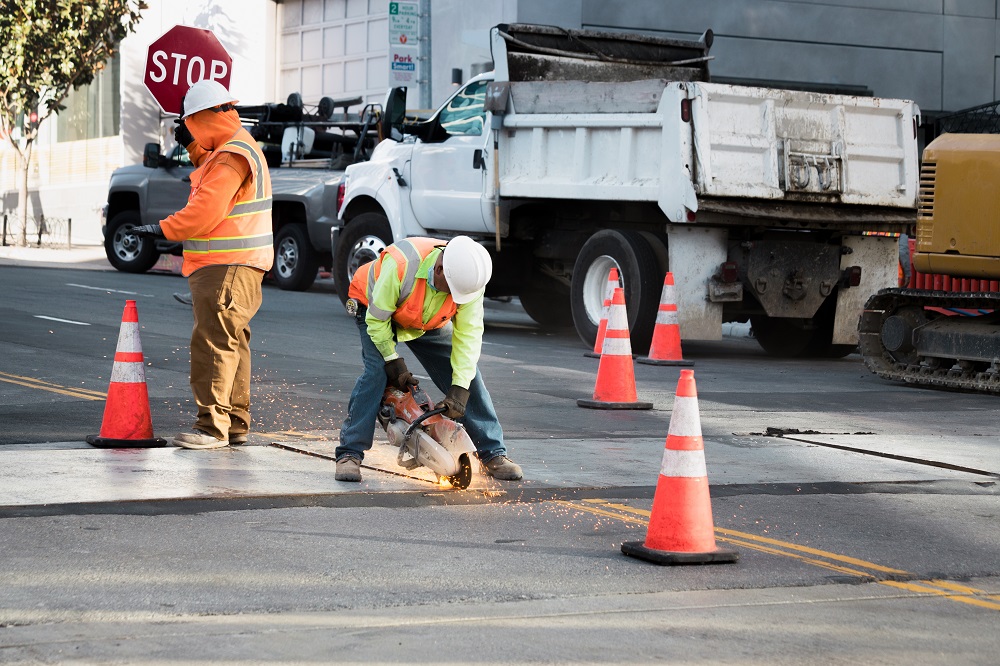
Road signs and safety devices are an important part of everyday travel. They help drivers and pedestrians understand what to expect and how to respond in different situations. From warning signs near construction zones to devices that guide traffic through busy intersections, each serves a practical purpose. Learning what these signs and devices mean can make roads easier to navigate and help reduce confusion. They also provide important information when road conditions change unexpectedly. Understanding their uses can encourage safer and more attentive behavior behind the wheel.
Warning Signs That Alert Drivers to Hazards
Warning signs are designed to draw attention to potential hazards ahead. They often use bright colors and recognizable symbols so drivers can understand them quickly. Signs may warn of sharp curves, intersections, pedestrian crossings, steep grades, or changing road conditions.
Seeing one gives drivers time to slow down and prepare for what is ahead. These signs are especially useful in areas where hazards may not be immediately visible. Drivers should pay close attention to them and adjust their speed or position as needed. Taking these warnings seriously can help create a safer environment for everyone using the road.
Regulatory Signs That Help Control Traffic
Regulatory signs communicate rules that drivers and other road users are expected to follow. Common examples include stop signs, yield signs, speed limit signs, and no-parking signs. They help establish consistent expectations and keep traffic moving in an organized way. A stop sign, for instance, tells drivers where they must come to a complete stop before proceeding. Speed limit signs help drivers understand the maximum permitted speed for a particular area. Other regulatory signs may restrict certain movements or parking activities.
Traffic sign companies such as Signs & Safety Devices help make these types of signs available for roads and other traffic environments. With clean and clearly displayed signs, important rules are easier for road users to recognize and follow. Consistent signage can also help reduce confusion and support safer movement through busy or unfamiliar areas.
Guide Signs Make Navigation Easier
Guide signs provide information that helps people find their way from one location to another. They can identify highways, streets, exits, distances, and nearby services. These signs are particularly helpful for drivers traveling through unfamiliar areas. Clear directional information allows drivers to make decisions before reaching an intersection or exit. Some guide signs also provide information about rest areas, hospitals, fuel stations, or other useful facilities. Paying attention early gives drivers more time to move into the appropriate lane safely. Good navigation can reduce sudden lane changes and other actions that may create unnecessary risks.
Traffic Cones and Barricades Protect Work Areas
Temporary safety devices are commonly used when construction, maintenance, or other work takes place near traffic. Cones, barricades, drums, and channelizing devices can separate workers from moving vehicles and guide drivers through changing traffic patterns. Their bright colors and reflective surfaces make them easier to see, especially in low-light conditions. These devices can also close off lanes or areas that are unsafe to enter.
Drivers should follow the directions created by temporary signs and barriers rather than relying on familiar road patterns. Slowing down near work zones gives everyone more time to react. Even a short-term change in traffic flow deserves the same attention as a permanent road condition.
Pavement Markings Work Alongside Road Signs
Road safety relies on more than signs alone. Pavement markings provide clear visual guidance that helps drivers understand how to position their vehicles and navigate the roadway. Lines, arrows, crosswalks, stop lines, and turn markings can indicate where vehicles should travel and how traffic should move. Different line patterns can also communicate when lane changes or movement across a marked area is permitted. Clearly marked crosswalks help draw attention to designated pedestrian crossing points and encourage drivers to remain alert.
When signs and pavement markings work together, they create a more predictable environment and help road users make safer decisions. Following these markings and staying within designated lanes is a simple way to support smoother, safer traffic flow.
Reflective Devices Improve Visibility
Visibility is especially important at night, during rain, or in areas with limited lighting. Reflective materials help drivers see road features more clearly by catching and returning light from vehicle headlights. This makes important features easier to recognize from a greater distance and gives drivers additional visual guidance when conditions are less favorable.
Clear visibility is particularly helpful around curves, intersections, road edges, barriers, and other changes in the roadway. Reflective devices can make these areas more noticeable and help drivers understand the road layout as they approach. This added visibility is useful for keeping drivers aware of their surroundings and responding to changes ahead.
When drivers can spot roadway features sooner, they have more time to adjust their speed, position, or direction. Reflective devices therefore contribute to a safer and more predictable driving environment. They can also provide helpful guidance in areas where natural or artificial lighting is limited.
Conclusion
Road signs and safety devices help people understand the road and respond to changing conditions. They provide important information about traffic rules and directions, along with hazards and areas that may require extra caution. These features also help create clearer boundaries and improve visibility for everyone using the roadway. Understanding their purpose can make it easier to react appropriately while traveling. Greater awareness of road safety features can help make everyday trips safer for drivers, pedestrians, cyclists, and road workers alike.
