



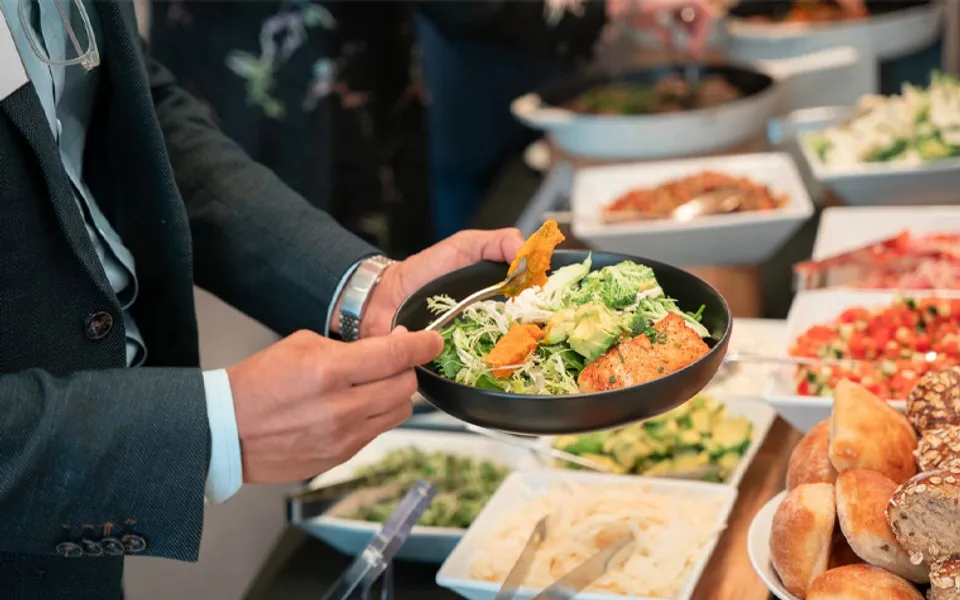
Office lunches in New York City have evolved beyond basic sandwiches and pizza. In 2026, companies are looking for menus that are convenient, varied, visually appealing, and flexible enough to accommodate different dietary preferences. Modern workplace catering increasingly includes customizable bowls, seasonal salads, hot entrées, individually packaged meals, and plant-forward choices.
For businesses planning recurring lunches, choosing the right office catering NYC menu can make meetings smoother while giving employees a meal they genuinely enjoy.
Why Office Lunch Menus Matter in 2026
A well-planned office lunch does more than provide food. It can create opportunities for employees to connect, improve the atmosphere during meetings, and make in-office days more enjoyable.
With many companies maintaining regular in-office schedules, workplace lunches are also becoming more predictable and recurring rather than occasional events. This makes menu variety particularly important. Repeating the same sandwiches every week can quickly become uninspiring, while rotating between different cuisines and meal formats keeps employees interested.
Popular NYC Office Lunch Menu Categories
Sandwiches and Wraps
Sandwich platters remain one of the simplest choices for an office lunch. They require minimal setup and can work particularly well for short meetings or informal team lunches.
A balanced platter might include turkey, chicken, roast beef, grilled vegetables, mozzarella, or other vegetarian fillings. Wraps and pitas can add additional variety while making portions easy to handle.
For larger groups, sandwiches can be paired with salads, fruit, chips, or a light dessert.
Fresh Salads and Grain Bowls
Salads and grain bowls have become increasingly useful for modern office catering because employees can create meals that fit their preferences.
A typical spread could include mixed greens, grains, roasted vegetables, fresh toppings, several proteins, and dressings served separately. This format can make it easier to provide vegetarian, vegan, and gluten-conscious choices within the same lunch. Customizable salad and bowl stations are among the formats being highlighted in 2026 workplace catering.
Hot Entrées and Buffet Lunches
When the occasion calls for something more substantial, a hot buffet can create a more traditional group dining experience.
Possible menu combinations include grilled chicken with seasonal vegetables, pasta with salad, roasted meats with potatoes, rice-based entrées, or globally inspired dishes. Buffets are especially useful for larger meetings because employees can choose their preferred portions and combinations.
Individual Boxed Lunches
Boxed lunches are practical when employees have different schedules or when a meeting requires quick, organized service.
Each box can contain a main item, side salad or vegetable, fruit, and dessert. Individually packaged meals can also simplify distribution in busy office buildings and reduce the need for a large buffet setup.
Dietary-Friendly Menus Should Be Built In
One of the biggest considerations for office catering NYC in 2026 is dietary variety. A single office may include employees who are vegetarian, vegan, gluten-free, dairy-free, or following other dietary patterns.
Instead of creating completely separate meals at the last minute, planners can choose menus that naturally provide multiple options. Build-your-own bowls, salad bars, vegetable-forward entrées, and customizable sandwich stations can make this much easier.
For serious food allergies, however, ingredients and preparation procedures should always be confirmed directly with the caterer rather than relying solely on menu labels.
Seasonal Ingredients Bring Variety to Office Lunches
Seasonal menus are another effective way to prevent recurring office lunches from becoming repetitive.
Spring might feature fresh greens, asparagus, peas, and lighter pasta dishes. Summer menus can incorporate grilled vegetables, fresh salads, and barbecue-inspired foods. Fall allows for roasted vegetables, hearty grains, and comfort-food options, while winter menus can focus on warm entrées, soups, and satisfying sides.
Some NYC catering companies refresh their menus seasonally, helping businesses create a rotating lunch schedule rather than ordering from the same fixed selection throughout the year.
Build a Balanced Office Lunch Menu
A successful office lunch does not necessarily require dozens of dishes. The goal is to create enough variety without making the ordering process unnecessarily complicated.
A practical menu might include:
- Two main entrée choices
- One vegetarian or vegan entrée
- One substantial salad
- Two or three side dishes
- Fresh fruit
- A small dessert selection
- Water and other beverages
For larger groups, a customizable station can replace some of these individual selections.
The right combination depends on the meeting format, guest count, budget, and length of the event.
Match the Menu to the Meeting
Different office occasions call for different catering styles.
A quick team lunch may work best with sandwich platters, salads, and individually packaged meals. A lunch-and-learn could benefit from a buffet that allows employees to serve themselves while continuing informal conversations. An executive meeting may call for more polished presentation and elevated entrées.
For a client-facing meeting, presentation becomes particularly important. Neatly arranged platters, attractive serving dishes, and easy-to-eat foods can create a more professional experience.
Consider NYC Delivery and Building Logistics
Menu selection is only one part of successful office catering. New York City office buildings can have specific delivery requirements, including loading-dock schedules, elevator restrictions, and insurance documentation.
For that reason, office managers should confirm delivery windows and building requirements before the day of the event. Individually packaged meals may be particularly convenient when there is limited setup space, while larger buffets work better when there is a dedicated conference room or dining area.
Create a Four-Week Lunch Rotation
Companies that order lunch regularly can make planning easier by creating a rotating schedule.
Week 1: Sandwiches, wraps, salads, and fruit
Week 2: Hot Italian or Mediterranean-style buffet
Week 3: Build-your-own grain and salad bowls
Week 4: Seasonal entrée buffet with vegetables and dessert
The following month, the cuisines and formats can change. Rotating categories instead of simply changing one sandwich filling can create much greater variety. This approach is also recommended by NYC catering professionals managing recurring workplace lunches.
Make 2026 Office Lunches More Enjoyable
The best office lunches combine convenience with choice. Employees should be able to find something satisfying without forcing the organizer to manage dozens of individual orders.
A strong 2026 menu should therefore focus on fresh ingredients, flexible meal formats, dietary inclusion, seasonal variety, reliable delivery, and attractive presentation. Whether the office needs boxed lunches for a quick meeting or a complete buffet for a company gathering, thoughtful menu planning can turn an ordinary workday meal into a valuable part of the workplace experience.
Ultimately, the right office catering NYC strategy is not about ordering the largest menu. It is about selecting a practical combination of foods that suits the people, purpose, schedule, and setting of the office.
