



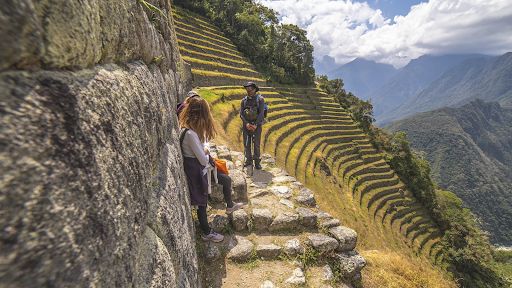
I’ll be honest, I almost didn’t book this trip. Seven days of hiking through the Andes sounded like something reserved for ultra-fit adventurers with expensive gear and iron knees. But I booked it anyway, and it turned out to be one of the best decisions I’ve ever made in my life.
The Magic Cusco Inca Trail to Machu Picchu 7D/6N package is not your typical tourist experience. It’s the kind of trip that gets under your skin. The kind that makes you think differently about time, about effort, and about what it means to actually arrive somewhere.
Getting Started in Cusco
The first two days are spent in Cusco itself, which gave me time to adjust to the altitude before the real walking began. Cusco sits at around 3,400 meters above sea level, and if you’ve never been at that height before, your body will let you know pretty quickly. Headaches, fatigue, and shortness of breath—it’s all normal. Coca tea is everywhere, locals swear by it, and after a few cups, you start to understand why.
Cusco itself is incredible. The mix of Incan stone foundations with Spanish colonial architecture built right on top is something you can’t really picture until you see it. Walking through the streets feels like the history is just sitting right there, in plain sight. The markets, the food, the people—there’s a warmth to Cusco that you don’t expect.
Hitting the Trail
Once the actual trekking begins, things get real fast. The Magic Cusco Inca Trail to Machu Picchu The 7D/6N itinerary takes you through some seriously stunning terrain. Cloud forests, open plains, and mountain passes that make your lungs burn in the best way possible.
But the day that really stuck with me was the stretch from Salkantaypampa Basecamp to Chaullay. This 18 km section, which takes roughly 7 hours to complete, is one of those hiking days you’ll talk about for years. It sounds manageable on paper—18 kilometers, seven hours—but the landscape changes so dramatically along the way that it feels like you’re walking through three different worlds in a single day.
The morning starts cold. Salkantaypampa Basecamp sits in the shadow of the massive Salkantay mountain, which the Quechua people consider a powerful deity. You can feel that energy, even if you’re not a particularly spiritual person. The peak is almost always surrounded by clouds, and watching the light hit the glacier in the early hours of the morning is something that stays with you.
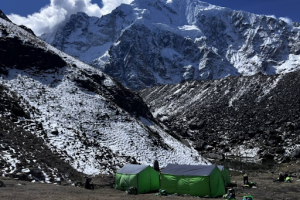
As you leave the basecamp behind and push toward Chaullay, the trail gradually descends. The cold, rocky mountain air slowly gives way to warmer temperatures, and the vegetation starts to change around you. By the time you’re getting close to Chaullay, you’re surrounded by lush greenery and the sound of rivers running nearby. It feels like the mountain let you go and passed you into a completely different world.
Seven hours is a long time to walk, and there are moments where your feet are tired and your pack feels heavier than it did at breakfast. But the guides on this route are fantastic. They know the trail inside and out, they pace the group well, and they share stories about the history of the path you’re walking on, a path that was built and walked by the Inca people centuries before any of us were born.
The Days That Follow
The remaining days carry you further through the valley, past small communities, rivers, and more jaw-dropping scenery. The food prepared at camp each evening is surprisingly good: hearty soups, fresh bread, and warm drinks. After a day of walking, every meal tastes like the best thing you’ve ever eaten.
And then, at the end of it all, you reach Machu Picchu. No photo, no documentary, no travel blog does it justice. Standing there, looking out over the ruins with mountains surrounding you on every side, there’s a strange mix of emotions. Pride, awe, exhaustion, gratitude.
A Final Thought
What makes the Magic Cusco Inca Trail to Machu Picchu 7D/6N worth every blister and every early morning is that it doesn’t just take you to Machu Picchu; it makes you earn it. The route from Salkantaypampa Basecamp to Chaullay, with its 18 km of shifting landscapes and seven hours of honest walking, is a perfect example of what the whole journey is about. It pushes you just enough to remind you what you’re capable of. And when you finally arrive at that ancient citadel in the clouds, you don’t just see it. You feel it. That feeling is exactly why people keep coming back and exactly why this trail has been changing people for as long as anyone can remember.
