



Introduction
Mushrooms are among the most intriguing organisms on Earth. Neither plant nor animal, they belong to the fungal kingdom and follow biological rules that set them apart from other life forms. While often appreciated for their culinary and medicinal value, Mushrooms play a far deeper role in nature. Understanding their biology, structure, and ecological importance reveals why they are essential to life on the planet.
What Are Mushrooms?
Mushrooms are the fruiting bodies of fungi. They are responsible for reproduction and spore dispersal, but they represent only a small portion of the entire organism. The majority of a fungus exists underground or within organic material as a network called mycelium. Unlike plants, mushrooms do not photosynthesize. Instead, they obtain nutrients by breaking down organic matter in their surroundings.
The Structure of a Mushroom
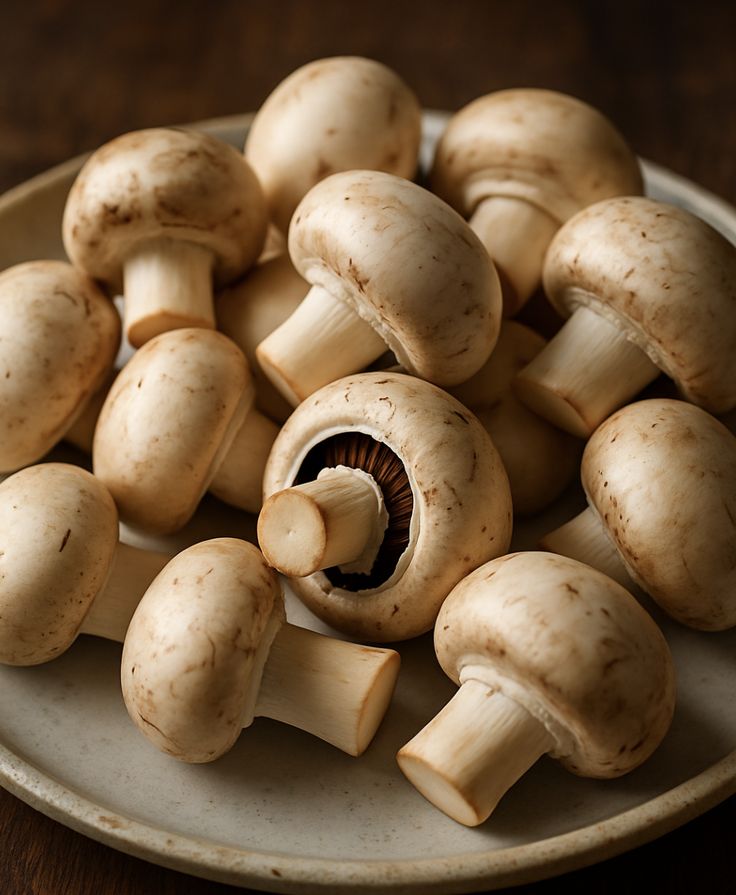
A typical mushroom consists of several key parts. The cap is the most visible structure and sits at the top of the mushroom. Beneath the cap are gills, pores, or spines, depending on the species. These surfaces produce and release spores. Supporting the cap is the stem, which elevates the reproductive structures to improve spore dispersal.
Below the surface lies the mycelium, a vast network of microscopic filaments known as hyphae. This root-like system absorbs nutrients and water, supporting the growth of the mushroom above ground.
How Mushrooms Obtain Nutrients
Mushrooms feed through a process known as external digestion. The mycelium releases enzymes into the surrounding environment, breaking down complex organic materials such as dead plants, wood, and animal matter. These materials are converted into simpler compounds that the fungus can absorb.
This process makes mushrooms highly effective decomposers. Without fungi, organic waste would accumulate, and essential nutrients would remain locked away, unavailable to plants and other organisms.
The Role of Mushrooms in Ecosystems
Mushrooms play a critical role in maintaining ecological balance. As decomposers, they recycle nutrients back into the soil, enriching it and supporting plant growth. Many fungi also form symbiotic relationships with plants, particularly trees. In these partnerships, fungi help plants absorb water and minerals, while plants provide sugars in return.
These underground connections improve plant health, increase resistance to disease, and enhance ecosystem resilience. Forests, in particular, rely heavily on fungal networks for long-term stability.
Mushroom Reproduction and Life Cycle
Mushrooms reproduce through spores rather than seeds. Spores are released from the underside of the cap and carried by wind, water, insects, or animals. When a spore lands in a suitable environment, it germinates and grows into new mycelium.
The mycelium may persist for years before producing mushrooms. When conditions such as moisture and temperature are favorable, fruiting bodies emerge, completing the life cycle.
Conclusion
Mushrooms are far more than simple organisms growing on forest floors. Their unique biology, efficient nutrient cycling, and vital ecological roles make them indispensable. By understanding mushrooms in greater detail, we gain insight into one of nature’s most important and overlooked life forms.
