



In today’s digital marketing landscape, data drives every decision. Yet, many marketers struggle with common pitfalls in tracking and interpreting multi-touch data. When campaigns span multiple channels, missteps in data collection or attribution can mislead strategies, waste budget, and obscure the real drivers of conversions. Understanding and resolving these challenges is crucial for accurate insights and better decision-making.
Understanding Multi-Touch Attribution
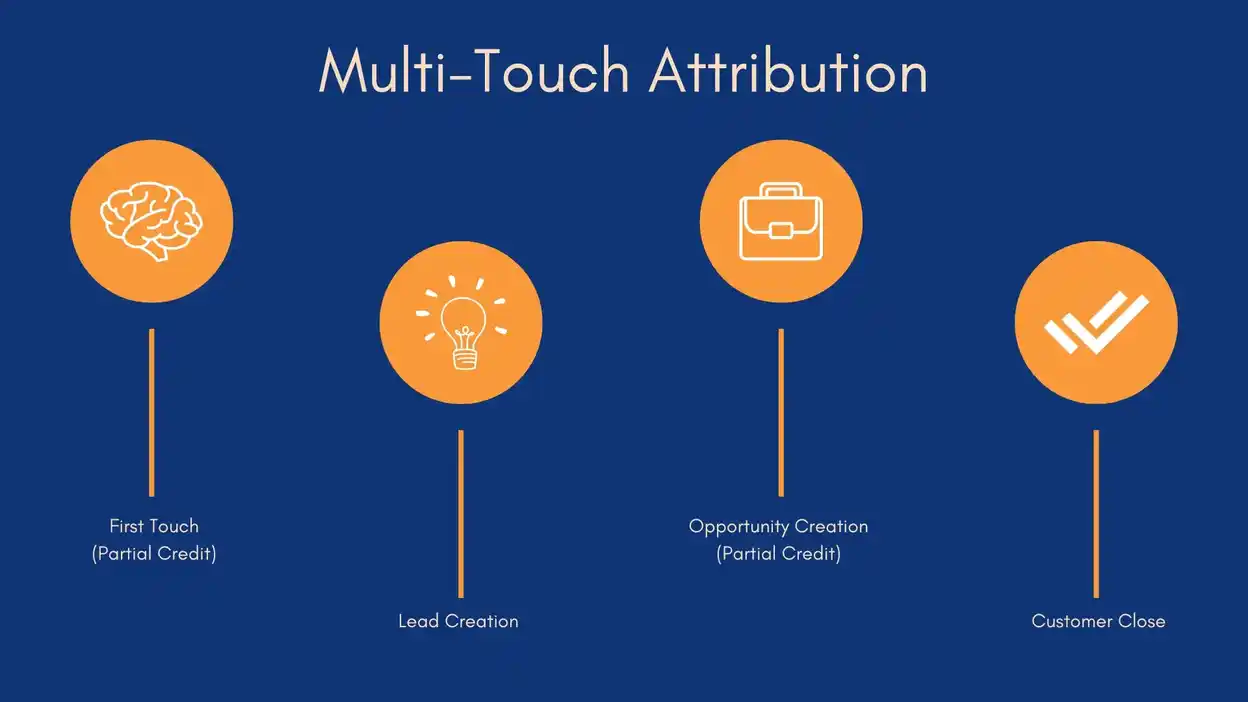
At the heart of this issue is multi-touch attribution—a methodology that assigns credit to all marketing touchpoints along a customer’s journey, rather than just the first or last interaction. Unlike single-touch models, which can oversimplify the impact of various campaigns, multi-touch attribution provides a more holistic view of what truly influences conversions. However, with greater complexity comes a higher likelihood of errors.
Common Multi-Touch Data Mess-Ups
Even seasoned marketers encounter similar multi-touch data challenges, including:
-
Incomplete Tracking
Missing UTM parameters, improperly configured pixels, or fragmented tracking codes can create gaps in your data. Without complete information, the attribution model cannot assign accurate credit to each touchpoint. -
Duplicate or Conflicting Data
When multiple tracking systems overlap, duplicate entries or conflicting metrics can distort your results. This often happens when CRM platforms, ad managers, and analytics tools are not fully integrated. -
Time Lag Confusion
Multi-touch journeys can span days or weeks. If conversion windows are misaligned across platforms, it can appear as though some touchpoints had no impact, skewing your attribution insights. -
Overcomplicated Models
While sophisticated models like algorithmic or data-driven attribution promise precision, they can become overly complex. Without proper understanding or implementation, marketers risk misinterpreting insights.
Quick Fixes for Multi-Touch Attribution Challenges
Resolving these issues doesn’t have to be time-consuming. Here are actionable strategies:
1. Standardize Tracking Across Channels
Ensure that every campaign uses consistent UTM parameters, tags, and tracking codes. A unified tracking framework minimizes gaps and reduces data inconsistencies, giving your multi-touch attribution model a solid foundation.
2. Integrate Data Sources
Connecting your analytics platform, CRM, and ad managers reduces duplicate entries and conflicts. Integration allows you to see a cohesive customer journey, ensuring each touchpoint is accurately represented.
3. Adjust Attribution Windows
Align your conversion windows with your sales cycle. For long purchase journeys, extending the window ensures that early touchpoints receive proper credit, while short cycles benefit from tighter windows to prevent inflated influence of late-stage interactions.
4. Simplify Where Necessary
Start with a manageable attribution model. Even simple linear or time-decay approaches can provide actionable insights if applied correctly. Gradually implement more complex models only after the data integrity is verified.
5. Regularly Audit Your Data
Schedule routine audits to identify anomalies, gaps, or inconsistencies. Quick detection allows for faster corrections, ensuring your multi-touch attribution remains reliable over time.
Leveraging Technology for Better Accuracy
Advanced analytics platforms now offer built-in solutions for tracking multi-touch journeys. Tools that automatically deduplicate data, normalize cross-channel inputs, and visualize conversion paths can dramatically reduce manual errors. Pairing these tools with disciplined processes ensures your attribution data is both accurate and actionable.
Conclusion
Multi-touch data mishaps are common but fixable. By standardizing tracking, integrating systems, adjusting attribution windows, simplifying models, and auditing data regularly, marketers can reclaim accurate insights and make smarter decisions. Multi-touch attribution isn’t just a metric—it’s a roadmap for understanding which efforts truly drive results. Tackling data errors quickly ensures that your campaigns are informed, optimized, and poised for success.
