



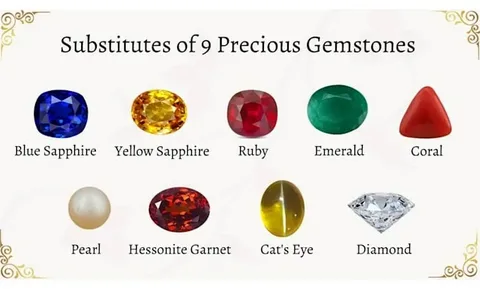
Gemstones have fascinated humanity for thousands of years—adorning crowns, symbolizing power, and capturing the beauty of nature in crystalline form. Whether you are a seasoned collector, a professional jeweler, or a passionate admirer, The Ultimate Gemstone Encyclopedia for Collectors, Jewelers, and Enthusiasts serves as a comprehensive guide to understanding these natural treasures.
In this article, we explore the importance of gemstone knowledge, key categories of gemstones, grading standards, and tips for building and maintaining a valuable collection.
Why a Comprehensive Gemstone Encyclopedia Matters
Gemstones are more than decorative objects. They hold geological, cultural, and financial significance. A reliable reference like The Ultimate Gemstone Encyclopedia for Collectors, Jewelers, and Enthusiasts provides detailed information on origin, composition, rarity, and market value.
For collectors, accurate knowledge helps in identifying authentic stones and avoiding costly mistakes. For jewelers, understanding gemstone properties ensures proper setting, care, and design compatibility. Enthusiasts benefit from deeper appreciation and confidence when purchasing or discussing gems.
Precious vs. Semi-Precious Gemstones
Precious Gemstones
Traditionally, only four gemstones are classified as precious:
- Diamond
- Ruby
- Sapphire
- Emerald
These stones are prized for their rarity, durability, and historical significance. Diamonds are known for their unmatched hardness, while rubies and sapphires (both varieties of corundum) are celebrated for their rich colors. Emeralds, from the beryl family, are admired for their vibrant green hue.
Semi-Precious Gemstones
All other gemstones fall into the semi-precious category, though many are equally stunning and valuable. Examples include:
- Amethyst
- Topaz
- Aquamarine
- Garnet
- Tourmaline
- Opal
The term “semi-precious” does not necessarily reflect lower value—some semi-precious stones can be rarer and more expensive than traditional precious gems.
Understanding Gemstone Properties
1. Hardness
Measured on the Mohs scale (1–10), hardness determines a gemstone’s resistance to scratching. Diamonds rank at 10, while softer stones like talc rank at 1. Jewelers rely on this scale to determine appropriate settings and wearability.
2. Color
Color is often the most important value factor. It includes:
- Hue – The basic color (blue, red, green)
- Tone – Lightness or darkness
- Saturation – Intensity or purity
For example, a vivid, highly saturated ruby commands a higher price than a pale one.
3. Clarity
Clarity refers to internal inclusions and external blemishes. While diamonds emphasize clarity grading, many colored gemstones naturally contain inclusions that can enhance character or verify authenticity.
4. Cut
Cut affects brilliance and overall appearance. A well-cut gemstone maximizes light reflection and enhances color. Precision cutting can dramatically increase a gem’s market value.
Popular Gemstone Categories
Birthstones
Birthstones connect gemstones with specific months. For example:
- January – Garnet
- April – Diamond
- September – Sapphire
- December – Turquoise or Tanzanite
Birthstone jewelry remains popular for personalized gifts and keepsakes.
Organic Gemstones
Not all gemstones are minerals. Organic gemstones include:
- Pearl
- Amber
- Coral
These form through biological processes rather than geological crystallization.
Rare and Collector Stones
Serious collectors often seek rare stones such as:
- Alexandrite (color-changing properties)
- Paraíba Tourmaline (neon blue-green glow)
- Benitoite (rare California gem)
For such enthusiasts, The Ultimate Gemstone Encyclopedia for Collectors, Jewelers, and Enthusiasts provides essential guidance on rarity, sourcing, and authenticity.
Gemstone Grading and Certification
Professional grading ensures transparency in the marketplace. Laboratories such as GIA (Gemological Institute of America) and IGI provide certification detailing:
- Origin
- Treatment disclosure
- Carat weight
- Clarity and color grading
For both buyers and sellers, referencing The Ultimate Gemstone Encyclopedia for Collectors, Jewelers, and Enthusiasts alongside professional certification strengthens trust and investment confidence.
Tips for Collectors and Jewelers
Research Before Buying
Always verify the gemstone’s authenticity and treatment history. Heat treatment and enhancements are common and should be disclosed.
Store Properly
Use individual soft pouches or compartmentalized boxes to prevent scratches—especially when storing harder stones like diamonds alongside softer gems.
Maintain Documentation
Keep certificates, purchase receipts, and appraisal reports organized. Proper documentation increases resale value and insurance protection.
Clean with Care
Different gemstones require different cleaning methods. For example, ultrasonic cleaners may damage softer or treated stones.
The Future of Gemstone Collecting
With increasing interest in ethical sourcing and lab-grown alternatives, the gemstone industry continues to evolve. Sustainable mining practices and transparent supply chains are becoming essential considerations for modern buyers.
In this evolving market, The Ultimate Gemstone Encyclopedia for Collectors, Jewelers, and Enthusiasts remains an indispensable resource—bridging tradition, science, artistry, and investment knowledge in one comprehensive reference.
Conclusion
Gemstones combine natural beauty, scientific wonder, and timeless elegance. Whether you are building a curated collection, crafting fine jewelry, or simply admiring the brilliance of nature’s creations, knowledge is your greatest asset.
By using reliable resources such as The Ultimate Gemstone Encyclopedia for Collectors, Jewelers, and Enthusiasts, you empower yourself to make informed decisions, appreciate craftsmanship, and preserve the legacy of these extraordinary natural treasures for generations to come.
