



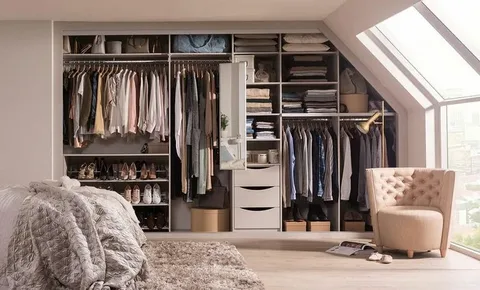
Creating a wardrobe that perfectly fits your lifestyle, taste, and space can completely transform your home. Whether you have a small bedroom or a walk-in closet, designing a custom wardrobe offers functionality, style, and organization all in one. In this ultimate guide, we will explore everything you need to know about designing a custom wardrobe for your home.
Why Choose a Custom Wardrobe?
A custom wardrobe is more than just storage—it’s a personalized solution tailored to your needs. Unlike ready-made wardrobes, a custom design allows you to:
- Maximize available space, even in irregularly shaped rooms.
- Include specialized compartments for shoes, accessories, or electronics.
- Choose materials, finishes, and hardware that match your home décor.
- Ensure durability and quality that mass-produced wardrobes may not offer.
By designing a wardrobe that fits both your lifestyle and space, you’re investing in long-term convenience and aesthetic appeal.
Steps to Designing a Custom Wardrobe
1. Assess Your Space and Needs
Before any design work begins, measure your room carefully. Take note of ceiling height, wall dimensions, and any obstacles like windows or radiators. Consider your storage needs:
- How many hanging sections do you need?
- Do you require drawers or shelves?
- Will you store shoes, bags, or other accessories?
2. Choose the Right Style
Custom wardrobes come in various styles. Popular options include:
- Sliding Door Wardrobes: Perfect for tight spaces.
- Hinged Door Wardrobes: Ideal for larger rooms.
- Walk-In Wardrobes: Offers a luxurious and spacious feel.
Select a style that complements your home’s interior while remaining practical.
3. Select Materials and Finishes
Materials impact both the look and longevity of your wardrobe. Common options include:
- Wood: Timeless, durable, and versatile.
- Laminate or MDF: Cost-effective and available in numerous colors and textures.
- Glass or Mirror Panels: Add elegance and the illusion of space.
Finishes can range from matte and glossy to textured, giving your wardrobe a unique personality.
4. Plan Interior Layout
The interior layout is crucial for efficiency. Think about:
- Hanging rails for long and short garments.
- Adjustable shelves for folded clothes.
- Drawers for smaller items like underwear or jewelry.
- Specialized compartments for accessories, belts, or ties.
5. Consider Lighting and Accessories
Integrating lighting inside your wardrobe can make a huge difference. LED strips or motion-sensor lights illuminate contents and create a modern touch. Accessories like pull-out racks, tie holders, and shoe organizers enhance functionality and convenience.
Tips for Maximizing Your Custom Wardrobe
- Use vertical space by including shelves up to the ceiling.
- Incorporate mirrored doors to make the room appear larger.
- Opt for modular designs to allow future modifications.
- Keep frequently used items at eye level for easy access.
Conclusion
Designing a wardrobe tailored to your space and lifestyle is a smart investment for both aesthetics and functionality. By following this ultimate guide to designing a custom wardrobe for your home, you can create a storage solution that is practical, stylish, and uniquely yours. Whether you’re upgrading your bedroom or planning a luxury walk-in closet, a custom wardrobe ensures that your home stays organized while reflecting your personal style.
