



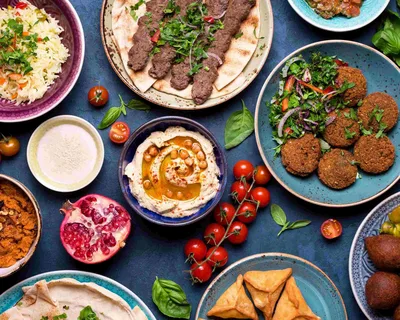
Middle Eastern cuisine is as diverse as the region itself, offering an explosion of flavors, textures, and colors that have captivated the taste buds of food lovers around the world. From the bustling souks of Morocco to the bustling streets of Lebanon, Middle Eastern cooking encompasses a range of traditional recipes, unique ingredients, and ancient techniques that have been passed down for centuries. In this ultimate guide to Middle Eastern cooking, we’ll dive into the heart of this delicious cuisine and explore some of the most popular dishes, ingredients, and cooking methods you need to know.
A Taste of Tradition: What Defines Middle Eastern Cooking?
Middle Eastern cooking draws influences from a variety of cultures, with each region contributing its own unique touches to the culinary landscape. Key characteristics of Middle Eastern cuisine include the use of fresh, seasonal ingredients, aromatic spices, and complex flavor combinations. You’ll find an emphasis on grains like rice and wheat, legumes such as lentils and chickpeas, and a rich variety of vegetables and fruits.
Key Elements of Middle Eastern Cooking
- Fresh Herbs and Spices: Commonly used herbs and spices include cilantro, parsley, mint, cumin, coriander, cinnamon, saffron, and sumac. These add depth and complexity to dishes, enhancing their taste and aroma.
- Grains and Legumes: Rice, bulgur, couscous, and lentils are staples that appear in many Middle Eastern recipes.
- Olive Oil: The use of olive oil in cooking and drizzling over dishes is widespread across the Middle East, contributing a rich and smooth flavor.
- Meats: Lamb, chicken, and beef are often the centerpieces of Middle Eastern meals, though vegetarian dishes are equally popular.
Essential Ingredients in Middle Eastern Cooking
To fully embrace the flavors of Middle Eastern cuisine, you’ll need to stock up on a few key ingredients. Here’s a list of some of the most important items you’ll find in almost every Middle Eastern kitchen.
1. Tahini
This sesame paste is a cornerstone of Middle Eastern cooking, used in everything from dips like hummus and baba ganoush to dressings, sauces, and even desserts. Its rich, nutty flavor adds a creamy texture to dishes.
2. Sumac
A tangy, slightly sour spice with a deep red color, sumac is used to brighten up everything from salads to grilled meats. It’s a great way to add acidity to dishes without using lemon juice or vinegar.
3. Za’atar
Za’atar is a spice blend that typically includes thyme, oregano, sesame seeds, and sumac. It’s often sprinkled on bread, mixed with olive oil as a dip, or used as a seasoning for meats and vegetables.
4. Pomegranate Molasses
This sweet and tart syrup is made from reduced pomegranate juice and adds a unique flavor to Middle Eastern stews, salads, and marinades.
5. Olives and Olive Oil
Olives, particularly green olives, and high-quality olive oil are essential to the flavor profiles of many Middle Eastern dishes. They are often served as appetizers, toppings, or incorporated into stews and salads.
Popular Middle Eastern Dishes to Try
Middle Eastern cuisine is known for its hearty, flavorful dishes that can be served as a main course, side, or appetizer. Here are some of the most beloved dishes you should definitely try.
1. Hummus
Arguably the most famous Middle Eastern dish, hummus is a creamy dip made from blended chickpeas, tahini, garlic, lemon, and olive oil. Served with warm pita bread or vegetables, it’s a versatile appetizer that can be eaten with almost any meal.
2. Falafel
These deep-fried balls of ground chickpeas (or fava beans) mixed with herbs and spices are often served in pita bread with salad and tahini sauce. They’re crunchy on the outside, soft on the inside, and full of flavor.
3. Shawarma
Shawarma is a popular street food throughout the Middle East. It consists of spiced meat (usually lamb, chicken, or beef) that is cooked on a vertical rotisserie and shaved off in thin slices. The meat is typically served in a pita wrap with pickles, tomatoes, lettuce, and a drizzle of tahini or garlic sauce.
4. Kabsa
A staple of Saudi Arabian cuisine, Kabsa is a spiced rice dish cooked with meat (usually chicken or lamb), vegetables, and a blend of fragrant spices like cinnamon, cumin, and cardamom. It’s often served as a communal dish, making it perfect for family gatherings.
5. Baklava
For dessert, baklava is a must-try. This sweet pastry is made from layers of filo dough, filled with crushed nuts, and soaked in honey syrup. The result is a crispy, sweet treat that’s perfect for ending any Middle Eastern meal.
Cooking Techniques in Middle Eastern Cuisine
Middle Eastern cooking methods focus on bringing out the natural flavors of ingredients through slow cooking, grilling, and roasting. Let’s take a closer look at some common techniques used in this vibrant cuisine.
1. Grilling
Grilling is a favorite technique in Middle Eastern cooking, especially for meats and vegetables. Kabobs, shawarma, and grilled fish are all popular dishes that benefit from the smoky, charred flavor grilling imparts.
2. Braising
Braising is commonly used for cooking meats like lamb or beef, where they are simmered slowly in liquid (often a spiced broth or tomato sauce) until tender and full of flavor.
3. Stuffing
Stuffing vegetables like grape leaves (to make dolma), zucchini, or eggplant with rice, ground meat, and herbs is a common practice across the Middle East. The stuffed vegetables are often simmered in a tomato-based sauce for added flavor.
4. Frying
Frying is a technique frequently used for making crispy snacks and appetizers such as falafel, sambusas (savory pastries), and kibbeh (a fried bulgur shell filled with ground meat and spices).
The Ultimate Guide to Middle Eastern Cooking: A World of Flavor Awaits
Middle Eastern cooking offers an incredibly rich and diverse range of flavors, textures, and culinary traditions. From the aromatic spices to the fresh ingredients, the techniques are designed to highlight the best of what the region has to offer. Whether you’re a seasoned cook or a beginner in the kitchen, this ultimate guide to Middle Eastern cooking provides everything you need to get started on your culinary adventure. So, gather your spices, fire up the grill, and enjoy exploring the mouthwatering world of Middle Eastern cuisine!
Conclusion
The ultimate guide to Middle Eastern cooking offers a deep dive into a culinary world filled with history, tradition, and unforgettable flavors. By mastering essential ingredients and learning some key techniques, you can recreate the magic of Middle Eastern dishes in your own kitchen. Whether you’re making a simple hummus or preparing a full spread for a dinner party, Middle Eastern cooking is sure to leave a lasting impression on your palate.
