



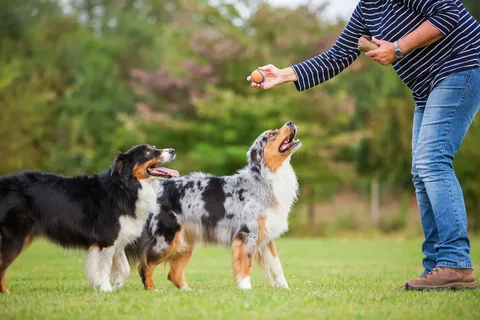
When considering bringing a dog into your family or improving your pup’s behavior, one important factor that often comes up is dog obedience training cost. At Rob’s Dog Training, we understand that budgeting for your dog’s development can feel overwhelming. Our goal is to provide clear, practical guidance on what affects the cost of training, so you can make informed decisions that suit your lifestyle and your dog’s needs.
Dog obedience training is an investment in your pet’s future. Well-trained dogs are not only safer and easier to manage but also happier and more confident. However, the cost of training can vary widely depending on several factors. Understanding these variables helps you plan effectively and ensures you receive the best value for your investment.
Factors That Affect Dog Obedience Training Cost
1. Type of Training Program
Dog training programs come in different formats, each with unique pricing structures. Private one-on-one sessions generally cost more than group classes because of the personalized attention your dog receives. Group classes, on the other hand, are more affordable and provide socialization opportunities with other dogs.
At Rob’s Dog Training, we offer a variety of training programs to match your goals and budget. While private sessions may have a higher initial cost, they often provide faster results because the training is tailored specifically to your dog’s personality and learning style.
2. Trainer Experience and Credentials
The experience and expertise of the trainer significantly influence the cost. Certified professional dog trainers often charge higher fees because they bring extensive knowledge and proven methods to the table. Less experienced trainers may offer lower rates, but the results could take longer to achieve.
Investing in an experienced trainer is generally more cost-effective in the long run because well-structured training prevents behavioral problems from developing or escalating.
3. Duration and Frequency of Training
The length of each session and how often you attend classes are key factors in total cost. Dogs that need more intensive training or have specific behavioral challenges may require multiple sessions per week over several months. Simpler obedience training programs may involve fewer sessions spread out over a shorter period.
By discussing your dog’s unique needs with your trainer, you can create a realistic schedule that balances cost with effectiveness.
4. Location and Facility
Where the training takes place can also affect pricing. Urban areas often have higher fees due to overhead costs, while rural locations may be slightly more affordable. Facilities with specialized equipment, large training spaces, or additional amenities may charge more, but they can provide a richer learning environment for your dog.
5. Training Tools and Materials
Some programs include the cost of treats, toys, and other training tools in their fees, while others charge separately. Investing in the right tools at home can support consistent practice and reinforce good behavior, which can reduce the number of sessions needed overall.
6. Behavioral Challenges
Dogs with specific issues such as aggression, anxiety, or excessive barking may require specialized attention, which can increase training costs. These cases benefit from customized approaches and may involve additional sessions to achieve lasting results.
Average Cost Ranges
Understanding general cost ranges can help you plan, though prices vary depending on your location and the factors mentioned above:
- Group Classes: Typically $30 to $80 per session, with most programs running 4–8 weeks.
- Private Sessions: Usually $50 to $150 per hour, sometimes with package deals offering discounts for multiple sessions.
- Board and Train Programs: $1,000 to $3,000 or more for multi-week intensive programs, often including daily training and boarding.
While these ranges provide a starting point, the most accurate estimate comes from discussing your goals with a professional trainer who can evaluate your dog’s needs.
Cost-Effective Tips for Training
Even with varying price points, there are ways to make dog obedience training more affordable without compromising quality:
- Start Early: Puppies are often easier to train than adult dogs, which can reduce the number of sessions needed.
- Combine Learning Opportunities: Attend group classes for socialization and practice private sessions for specific behavior issues.
- Practice Consistently at Home: Reinforcing skills learned in class helps reduce the total number of sessions required.
- Ask About Packages: Many trainers, including Rob’s Dog Training, offer package deals or multi-session discounts to help manage costs.
- Prioritize Goals: Focus on essential obedience commands first. Once your dog masters the basics, you can add more advanced skills gradually.
Understanding Value Beyond Cost
It’s important to remember that dog obedience training cost isn’t just about the price tag. The true value lies in the long-term benefits for both you and your dog. Well-trained dogs are less likely to develop behavioral problems that could be expensive or dangerous to manage later. They are easier to walk, safer around children and strangers, and often enjoy more freedom, such as off-leash play in safe environments.
Investing in a qualified trainer can save you money and stress in the long run. Training provides structure and clarity for your dog, helping you avoid costly mistakes or misunderstandings that may arise from inconsistent or incorrect methods.
Questions to Ask Before Choosing a Trainer
Before committing to a training program, ask questions that clarify both cost and approach:
- What is included in the program’s price?
- Are there additional fees for materials or tools?
- How long will the training take, and how frequently are sessions scheduled?
- What methods and techniques are used, and are they based on positive reinforcement?
- Can progress be measured, and how will adjustments be made if needed?
Knowing the answers will help you make an informed choice and ensure the training experience is positive and effective.
Working with Rob’s Dog Training
At Rob’s Dog Training, we aim to make quality dog obedience training accessible and worthwhile. We provide programs that match your dog’s needs and your budget, combining professional expertise with practical guidance for at-home practice. Our approach focuses on building a strong bond with your dog while teaching essential skills that last a lifetime.
We believe in transparency regarding cost and results. When you choose our training programs, you’re not just paying for sessions, you’re investing in a happier, well-adjusted, and confident dog. We work with you every step of the way to make sure your dog’s learning experience is effective, enjoyable, and affordable.
Final Thoughts
Determining dog obedience training cost can feel complex at first, but understanding the factors that influence pricing makes it much easier to plan. The type of training program, trainer experience, duration, location, tools, and your dog’s unique behavioral needs all play a role in shaping costs.
With thoughtful planning and guidance from professionals like Rob’s Dog Training (https://robsdogs.com/), you can find a program that fits your budget while giving your dog the best chance at success. Investing in training today helps prevent future behavioral problems, strengthens your bond with your dog, and ensures a safer and more enjoyable life together. Knowing the true value of training helps you make decisions confidently, focusing on long-term benefits rather than just the upfront cost.
By taking the time to assess options carefully and commit to consistent training, you’re making a choice that benefits both you and your dog for years to come. Dog obedience training cost is an investment in your dog’s happiness, your peace of mind, and the harmony of your household.
