



When planning a European adventure, most travelers gravitate toward familiar destinations like Paris, Rome, or Barcelona. Yet nestled between Romania and Ukraine lies Moldova, a country that offers something increasingly rare in modern travel: genuine discovery. Visiting Moldova means stepping into a world where ancient traditions thrive, hospitality is heartfelt rather than transactional, and tourist crowds remain blissfully absent. This comprehensive guide reveals everything you need to know about visiting Moldova, from practical logistics to must-see attractions, ensuring your journey to this captivating nation becomes an unforgettable experience.
Understanding Moldova: Essential Background
Before Visiting Moldova, understanding its context enriches your appreciation of what you’ll encounter. This landlocked nation of approximately 2.6 million people emerged as an independent state in 1991 following the Soviet Union’s collapse. Its history, however, stretches back millennia, with influences from Dacian tribes, Roman legions, Ottoman Empire, and Russian rule all leaving indelible marks on the culture, architecture, and national identity.
Moldova’s geographic position has made it a crossroads of civilizations, and this heritage manifests in everything from the linguistic landscape—where Romanian, Russian, and regional languages coexist—to the cuisine that blends Romanian, Ukrainian, Turkish, and Russian flavors into something distinctly Moldovan. Understanding this complexity helps visitors appreciate why Moldova feels simultaneously familiar and exotic, European yet distinctly Eastern.
When to Visit Moldova: Seasonal Considerations
Timing significantly impacts your experience when visiting Moldova. Each season offers distinct advantages and different perspectives on the country’s character. Spring, spanning April through June, brings mild temperatures, blooming countryside, and agricultural awakening. This period is ideal for exploring rural areas, hiking, and witnessing traditional farming practices that have changed little over centuries.
Summer from July through August delivers warm weather perfect for festivals, outdoor dining, and extended daylight hours that maximize sightseeing time. The National Wine Day celebration in October represents Moldova’s most significant annual event, attracting thousands of visitors who descend upon Chișinău for tastings, concerts, and cultural performances. Autumn overall, from September through November, coincides with harvest season, offering unique opportunities to participate in grape picking and witness winemaking processes firsthand.
Winter visiting Moldova presents a different charm. While temperatures drop significantly, the season brings Christmas markets, winter festivals, and a quieter, more introspective atmosphere. Snow-covered monasteries and frost-laden vineyards create stunning photographic opportunities, and indoor wine cellars become particularly inviting refuges from the cold.
Getting There: Travel Logistics
Visiting Moldova begins with understanding how to reach this relatively off-the-beaten-path destination. Chișinău International Airport serves as the primary gateway, with direct flights from major European cities including Bucharest, Vienna, Istanbul, and Munich. Budget airlines have recently expanded service, making visiting Moldova more accessible and affordable than ever before.
Overland entry provides alternative options for travelers already exploring neighboring countries. Regular bus services connect Chișinău with Bucharest, Odesa, and other regional cities. Train travel, while slower, offers scenic journeys and opportunities to interact with locals. The Prut River marks the Romanian border, and several crossing points accommodate both vehicular and pedestrian traffic.
Visa requirements for visiting Moldova depend on nationality. Citizens of the European Union, United States, Canada, and many other countries can enter visa-free for stays up to ninety days. Always verify current requirements before departure, as regulations periodically change.
Where to Stay: Accommodation Options
Accommodation choices when visiting Moldova range from international chain hotels to family-run guesthouses, each offering distinct experiences. Chișinău, the capital, provides the most extensive selection, with options spanning all budget levels. Modern hotels in the city center offer convenience, comfort, and business amenities, while boutique establishments in refurbished historic buildings provide character and charm.
Rural accommodation represents one of the most authentic aspects of visiting Moldova. Agritourism has flourished in recent years, with farmstays allowing guests to experience village life firsthand. These accommodations often include home-cooked meals featuring ingredients from the property, participation in daily activities like animal feeding or bread baking, and genuine cultural exchange with host families who take pride in sharing their heritage.
Monastery lodgings offer another unique possibility. Several monasteries accept overnight guests in simple but comfortable rooms, providing rare opportunities for spiritual retreat and insight into monastic life. These stays require advance arrangement and respectful adherence to monastery rules regarding dress, behavior, and participation in religious observances.
Must-See Attractions When Visiting Moldova
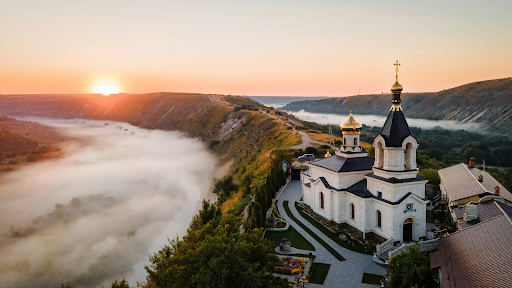
No discussion of visiting Moldova would be complete without highlighting essential destinations that define the Moldovan experience. Orheiul Vechi stands as the country’s most iconic site, where an ancient cave monastery clings to limestone cliffs above the winding Răut River. The complex dates back to the thirteenth century, though archaeological evidence reveals human habitation spanning millennia. The panoramic views alone justify the visit, but the spiritual atmosphere and historical significance create profound impact.
The wine cellars of Milești Mici and Cricova represent quintessential Moldova attractions. These underground cities carved from limestone extend for hundreds of kilometers, storing millions of bottles in optimal conditions. Visiting Moldova without experiencing these subterranean wonders means missing a core element of national identity. Tours include tastings of indigenous varietals like Fetească Albă and Negru de Purcari, along with fascinating insights into winemaking traditions that stretch back seven thousand years.
Chișinău itself deserves thorough exploration. The city blends Soviet-era architecture with modern development, parks and boulevards with bustling markets. The Central Market provides sensory overload in the best way, with vendors selling everything from fresh produce to traditional crafts. The National Museum of History offers context for understanding Moldova’s complex past, while the Triumph Arc and Cathedral Park showcase architectural heritage.
The Soroca Fortress, perched dramatically above the Dniester River, represents medieval military architecture at its finest. This fifteenth-century stronghold once defended against Ottoman incursions and today stands as a remarkably preserved testament to defensive engineering. Nearby, the Candle of Gratitude monument honors Romanian language and culture, offering expansive views across the river into Ukraine.
Culinary Experiences: Tasting Moldova
Food represents culture in edible form, and visiting Moldova offers culinary adventures that reflect the nation’s agricultural bounty and multicultural influences. Mămăligă, a cornmeal porridge similar to polenta, serves as the foundation for many traditional meals, typically accompanied by cheese, sour cream, or stewed meats. Plăcintă, savory or sweet pastries filled with cheese, potatoes, cabbage, or fruit, are ubiquitous and delicious street food.
Sarmale, cabbage rolls stuffed with spiced meat and rice, represent comfort food at its finest, particularly when prepared according to family recipes passed through generations. Zeamă, a chicken soup with vegetables and homemade noodles, provides warmth and satisfaction. The cuisine emphasizes fresh, seasonal ingredients, with markets offering incredible produce, dairy products, and meats throughout the year.
Wine, naturally, accompanies most meals. Visiting Moldova means embracing wine culture that permeates daily life. Even modest restaurants maintain respectable wine lists, and sharing a bottle facilitates conversation and connection. Don’t overlook the traditional beverages either—răchie (fruit brandy) and wine-based apéritifs represent local specialties worth sampling.
Cultural Etiquette and Practical Tips
Successfully visiting Moldova requires understanding certain cultural norms and practical realities. Moldovans value hospitality deeply, and refusing offered food or drink can cause offense. When visiting homes, bringing small gifts like flowers, chocolates, or wine demonstrates respect and appreciation.
Language presents challenges but shouldn’t deter visitors. While Romanian is the official language, Russian remains widely spoken, especially among older generations. English proficiency is growing among younger people, particularly in urban areas and tourism-related businesses. Learning basic phrases in Romanian or Russian enhances interactions and demonstrates cultural respect.
Currency considerations matter when visiting Moldova. The Moldovan leu serves as official currency, and while credit cards work in cities, cash remains essential for rural areas, markets, and smaller establishments. ATMs are readily available in Chișinău and regional centers but scarce in villages.
Safety generally isn’t a concern when visiting Moldova. The country experiences low violent crime rates, though petty theft occurs in crowded areas as in any destination. Standard travel precautions—securing valuables, staying aware of surroundings, and avoiding isolated areas after dark—provide adequate protection.
Transportation Within Moldova
Moving around when Visiting Moldova requires planning, as public transportation infrastructure remains developing. In Chișinău, buses and trolleybuses provide affordable if sometimes crowded urban transit. Taxis and ride-sharing services offer convenience at reasonable prices. Always agree on fares beforehand or ensure meters are running to avoid overcharges.
Intercity travel relies primarily on marshrutkas, minibuses that connect towns and villages throughout the country. These vehicles depart when full rather than on fixed schedules, requiring flexibility and patience. Comfort levels vary considerably, but the experience provides authentic glimpses into daily Moldovan life and opportunities for interaction with locals.
Renting a car offers maximum flexibility when visiting Moldova, allowing exploration at your own pace and access to remote areas that public transportation doesn’t reach. Roads range from well-maintained highways to rough rural routes, so appropriate vehicle selection matters. International driving permits are recommended, and understanding local driving customs—which can be aggressive by Western standards—enhances safety.
Conclusion
Visiting Moldova rewards travelers with experiences increasingly difficult to find in our homogenized world. This small nation offers big discoveries: world-class wines in underground cities, monasteries that inspire spiritual reflection, villages where centuries-old traditions remain vibrant, and people whose genuine warmth transforms visitors into friends. The absence of tourist crowds means authentic interactions, affordable prices, and the satisfaction of true exploration rather than simply checking boxes on an itinerary.
Moldova won’t overwhelm you with famous monuments or picture-perfect Instagram backdrops. Instead, visiting Moldova offers something more valuable—the opportunity to experience a culture on its own terms, to discover beauty in unexpected places, and to return home with stories that few others can tell. As Moldova gradually claims its place on the European tourism map, now represents the perfect moment to visit, before the secret spreads too widely. Pack your curiosity along with your passport, and prepare for a journey that challenges assumptions while creating memories that last a lifetime.
