



Foot discomfort often starts small, making it tempting to handle nail problems without medical care. Home treatments may appear harmless at first, but subtle mistakes can quietly turn a minor issue into a persistent medical concern. Understanding what can go wrong helps explain why professional care is often the safer path.
Worsening Nail Embedment Leading to Deeper Tissue Irritation
Improper attempts to dig out an ingrown toenail often push the nail edge deeper into the surrounding skin. Instead of relieving pressure, this action increases irritation below the surface, where swelling limits the skin’s ability to recover. Over time, the nail embeds further, causing the tissue to thicken and harden around it. As the embedment deepens, discomfort may shift from mild tenderness to constant soreness. Shoes begin to aggravate the area, and even light pressure can trigger pain. At this stage, ingrown toenail removal becomes more complex, often requiring an ingrown toenail doctor to address tissue changes that simple trimming can no longer correct.
Increased Infection Risk from Non-sterile Tools
Household tools rarely meet medical sanitation standards. Clippers, tweezers, or improvised instruments can introduce bacteria into small skin openings created during home treatment. Once bacteria enter the area, warmth and moisture around the toe allow infection to develop quickly.
Infections often begin subtly with redness or warmth before progressing to drainage and increasing pain. Without proper care, bacteria can spread into deeper tissue layers. Many patients seeking an ingrown toenail removal doctor do so only after infection complicates healing, extending recovery time and discomfort.
Delayed Healing Caused by Repeated Trauma
Repeated attempts to fix an ingrown toenail can repeatedly injure the same area. Each time the skin is cut, pried, or trimmed incorrectly, the body restarts the healing process. This cycle prevents the toe from stabilizing and leaves it vulnerable to further damage.
Healing delays often lead to chronic tenderness that never fully resolves. Activities such as walking, exercising, or standing for long periods may become uncomfortable. Delayed recovery is a common reason people eventually search for ingrown toenail removal near me after weeks or months of persistent pain.
Swelling and Inflammation Affecting Surrounding Skin
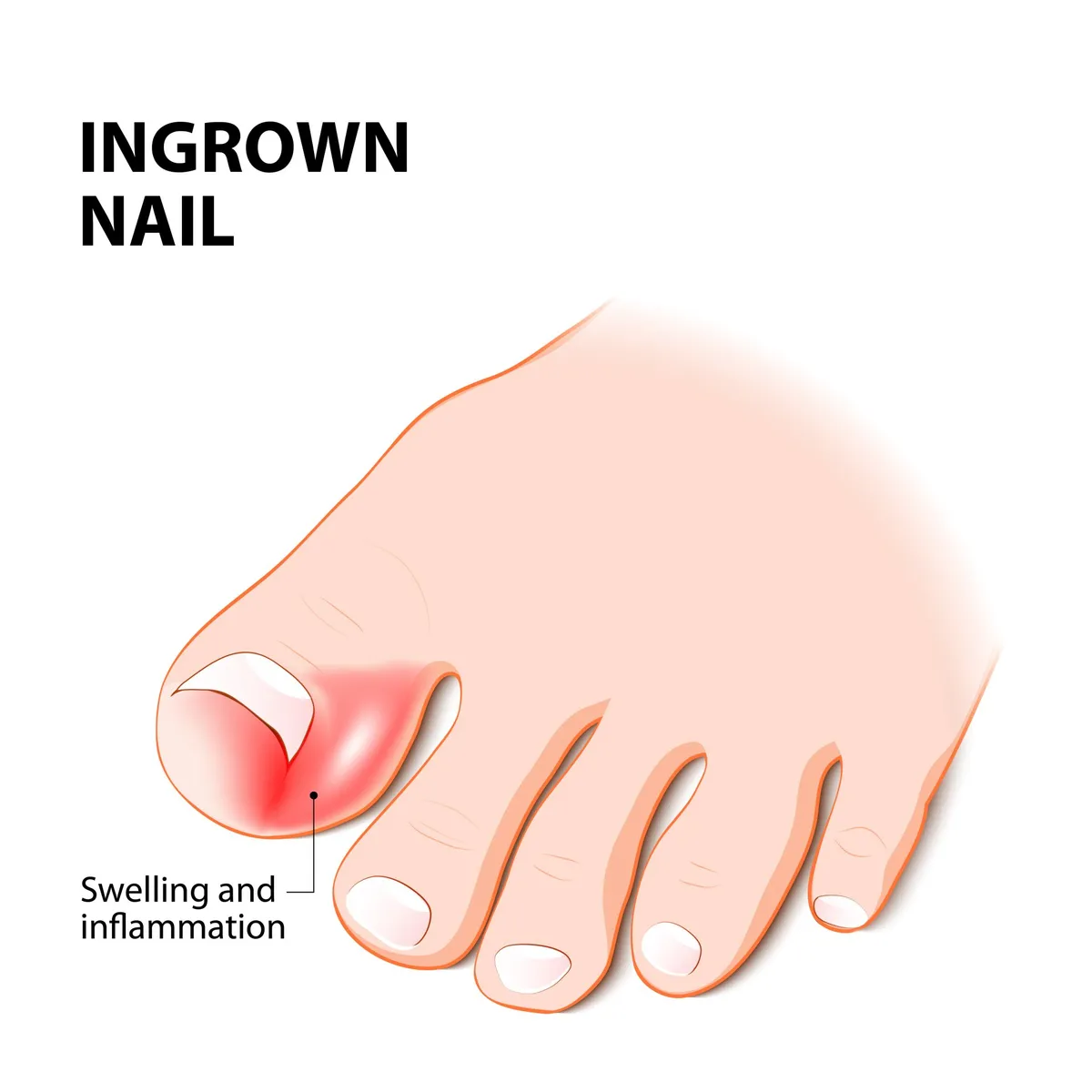
Inflammation is the body’s response to injury, but repeated irritation causes swelling to linger. As the skin swells, it presses tighter against the nail, worsening discomfort and increasing the chance of further ingrowth. This reaction can spread beyond the nail edge to surrounding skin.
Prolonged inflammation also reduces blood flow efficiency in the area, slowing tissue repair. Swollen skin becomes more sensitive and fragile, raising the likelihood of tearing. Professional evaluation by an ingrown toenail doctor helps reduce inflammation safely while preventing additional trauma.
Improper Nail Trimming Triggering Recurring Ingrowth
Cutting toenails too short or rounding the edges is a common mistake. This trimming style encourages the nail to grow sideways into the skin rather than forward. While it may seem neat, the result often leads to repeated ingrown toenails.
Recurring ingrowth creates a pattern of ongoing discomfort that worsens over time. Each episode increases tissue sensitivity and thickening, making future problems more likely. Many patients seeking ingrown toenail removal Huntsville AL discover that proper trimming guidance could have prevented repeated issues.
Scarring from Aggressive Home Interventions
Aggressive digging or cutting can damage healthy skin and underlying tissue. As the body heals these injuries, scar tissue may form around the nail. Scar tissue is less flexible than normal skin, increasing pressure against the nail edge.
Scarring can permanently change how the nail grows, raising the risk of future embedment. Once scar tissue develops, conservative care becomes less effective. Medical ingrown toenail removal addresses both the nail and altered tissue to reduce long-term complications.
Drainage and Odor from Untreated Bacterial Growth
Bacterial growth beneath the nail often leads to fluid buildup. Drainage may appear clear at first, then turn cloudy or yellow as infection progresses. Odor can develop as bacteria multiply, signaling deeper involvement.
Ignoring drainage allows bacteria to spread and worsen tissue damage. Home remedies rarely address the source of infection, allowing symptoms to persist. Timely evaluation by a Huntsville ingrown toenail doctor helps control infection before it spreads further.
Nerve Sensitivity Heightened by Prolonged Pressure
The toes contain small nerves that respond quickly to pressure changes. Ongoing nail pressure and inflammation can irritate these nerves, leading to sharp or burning sensations. Sensitivity may linger even after visible swelling decreases.
Heightened nerve response makes everyday activities uncomfortable. Touch, footwear, or temperature changes may trigger pain. Addressing the underlying cause through proper ingrown toenail removal helps relieve nerve irritation and restore comfort.
Chronic Pain Limiting Normal Walking and Footwear Use
Persistent ingrown toenail problems can interfere with walking patterns. People may alter their gait to avoid pain, which can strain other parts of the foot and leg. Footwear choices become limited as pressure worsens symptoms. Over time, chronic pain affects daily routines and mobility. Seeking timely care from The Foot Clinic helps reduce the risk of infection, recurring pain, and long-term tissue damage caused by improper home treatment.
