



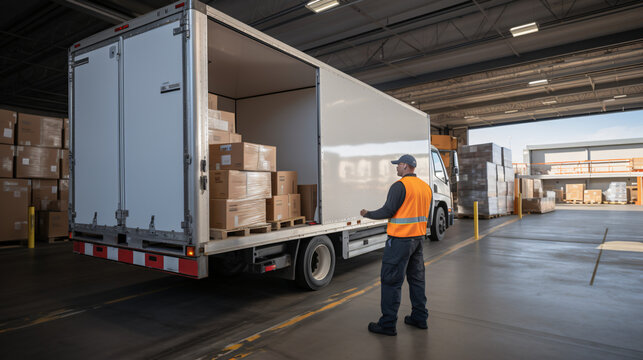
Most businesses spend a great deal of time focusing on the products they manufacture, but the packaging process deserves just as much attention. Once an order leaves the warehouse, it is exposed to countless conditions that no company can completely control. Freight is loaded, unloaded, stacked, shifted, and transported across hundreds or sometimes thousands of miles. During that journey, the packaging becomes the first line of defense.
A strong packaging strategy does not depend on one material alone. Instead, it combines several products that work together to keep shipments stable from beginning to end. Among the most valuable of these materials are edge protectors and corner protectors. Although they are often overlooked, they help prevent some of the most common types of shipping damage.
Companies that consistently deliver products in excellent condition understand that protecting vulnerable edges is never an afterthought. It is built into every shipment from the very beginning.
Shipping Puts Every Product to the Test
Every pallet experiences forces that cannot be avoided. Roads create vibration, trailers bounce over uneven pavement, forklifts lift heavy loads, and distribution centers stack freight on top of one another. Even the most careful transportation companies cannot eliminate these conditions entirely.
When pressure builds against the outside of a pallet, the edges usually absorb the greatest amount of force. Boxes begin to crush inward, plastic straps leave deep impressions, and products with exposed corners become damaged before they ever reach the customer.
Installing OEM Materials edge protectors helps spread that pressure across a larger surface. Instead of allowing force to focus on one small area, the protective material supports the load more evenly. That simple improvement often keeps an entire shipment intact.
Protecting High-Value Products
Not every shipment contains inexpensive merchandise. Many manufacturers transport products that require a flawless appearance when they arrive.
Furniture companies ship finished wood surfaces that scratch easily. Metal fabricators send painted components that dent under pressure. Flooring manufacturers package long materials with exposed edges that can chip during handling. Electronics suppliers also need dependable protection to reduce movement inside shipping cartons.
Corner protectors provide reinforcement exactly where many of these products need it most. They create a barrier between the product and outside pressure, helping preserve both the packaging and the merchandise itself.
A customer may never notice the protective materials, but they certainly notice when the product arrives looking brand new.
Strong Pallets Create Safer Warehouses
Packaging is important long before a shipment reaches its destination.
Inside warehouses, pallets are constantly moved from one location to another using forklifts and pallet jacks. Loads may remain stacked for days or weeks depending on inventory levels. During that time, weaker cartons begin to compress under weight.
Reinforcing pallet edges improves overall stability and helps the load maintain its shape. Employees spend less time rebuilding damaged pallets, and warehouse operations become smoother because inventory remains easier to handle.
A stable pallet also reduces the chance of products shifting unexpectedly while being transported inside the facility.
Small packaging improvements often make daily operations far more efficient than many people realize.
Combining Multiple Packaging Materials
One reason successful shipping operations perform so well is that they never depend on a single protective product.
After products are stacked on a pallet, many warehouses install edge protectors before securing everything with stretch film. Once the film is applied, additional layers of stretch wrap hold the shipment together while reducing movement during transportation.
Each material performs a different function. The protective edges strengthen vulnerable areas, while the wrapping materials stabilize the entire load.
When these products work together, shipments become significantly more resistant to the challenges of modern transportation.
The result is greater confidence every time a truck leaves the loading dock.
Working With the Right Packaging Supplier
Selecting the proper materials requires experience. Every business ships different products, uses different transportation methods, and faces different challenges.
OEM Materials looks beyond product catalogs. They evaluate shipping distances, pallet configurations, storage conditions, product weight, and warehouse procedures before recommending solutions.
That knowledge allows businesses to improve packaging without overspending on unnecessary materials.
Instead of replacing damaged products after problems occur, companies can build packaging systems that prevent many issues from happening in the first place.
This proactive approach saves both time and money.
Reducing Long-Term Shipping Costs
Many organizations focus primarily on packaging costs when purchasing supplies. While controlling expenses is important, the true cost of shipping includes much more than material prices.
Every damaged shipment creates replacement costs, freight claims, additional labor, customer service time, and potential loss of future business.
Preventing just a handful of damaged deliveries can easily offset the cost of improved packaging materials.
For businesses shipping products every day, those savings continue to grow throughout the year.
Sometimes the smartest investment isn’t buying cheaper supplies. Its buying materials that reduce expensive problems later.
Packaging Reflects Your Business
Customers rarely know how many steps occur before a shipment arrives. They only see the final result sitting at their doorstep or receiving dock.
Clean packaging, undamaged corners, and secure pallet loads communicate professionalism before a single product is removed from the box.
On the other hand, damaged cartons create doubt immediately. Even if the merchandise functions perfectly, customers often question whether enough care was taken during shipping.
Good packaging protects more than inventory. It protects reputation.
Businesses that consistently deliver products in excellent condition often earn stronger customer loyalty because buyers know they can rely on every order.
Sustainability and Smarter Packaging
Packaging decisions increasingly include environmental considerations.
Many manufacturers now choose protective materials made from recycled paper fibers and recyclable products whenever possible. These solutions help reduce waste while maintaining excellent shipping performance.
Improved packaging also contributes to sustainability by preventing damaged shipments that require replacement manufacturing and additional transportation.
Sending one shipment that arrives safely is almost always more environmentally responsible than sending two because the first one failed.
This balance between durability and sustainability continues to shape the future of the packaging industry.
Looking Ahead
Modern shipping demands reliable packaging from start to finish. Products travel farther, customer expectations continue to rise, and supply chains become more complex every year.
Businesses that invest in dependable packaging systems are better prepared to meet those challenges. By combining corner protectors, edge protectors, stretch film, and stretch wrap into a well-planned shipping process, companies can greatly reduce damage while improving customer satisfaction.
Partnering with an experienced packaging supplier makes that process even more effective. The right guidance helps businesses choose materials that fit their products, transportation methods, and long-term goals.
Strong packaging is never just about protecting a box. It protects the products inside, the reputation of the business sending them, and the relationships built with every successful delivery. When those shipments arrive safely day after day, the value of thoughtful packaging becomes impossible to ignore.
