



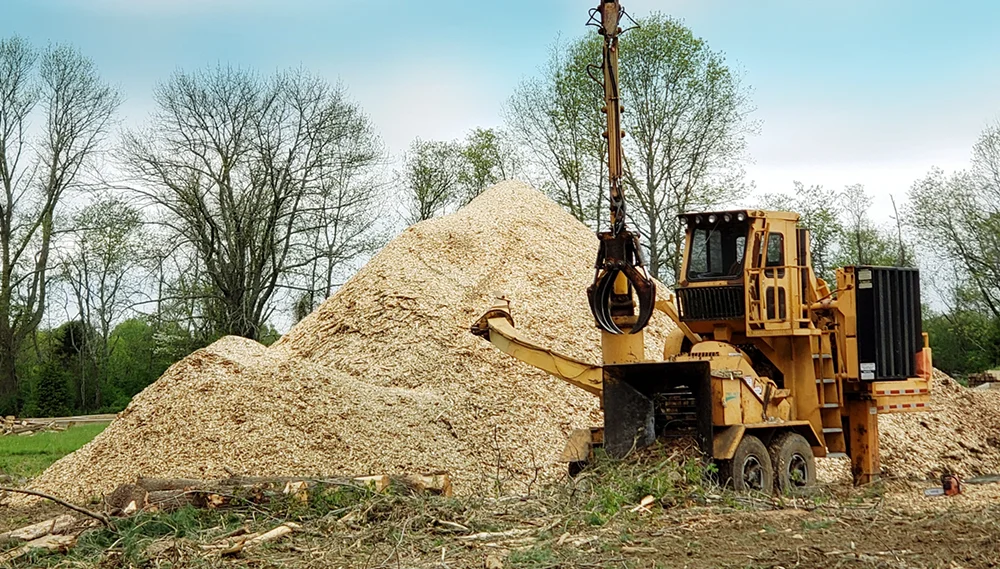
When it comes to property development or even simple landscaping projects, understanding the rules around land management in Virginia is crucial. Ignoring regulations can lead to fines, delays, or environmental damage. If you’re planning a project, this guide covers the key rules and regulations surrounding land clearing Virginia.
Understanding Land Clearing in Virginia
Land clearing refers to removing trees, shrubs, and other vegetation from a parcel of land, often to prepare for construction, agriculture, or landscaping. While it might seem straightforward, Virginia has strict rules to protect natural habitats, prevent soil erosion, and maintain water quality. Violating these rules can result in hefty penalties or even legal action.
Permits Are Often Required
Before any major clearing, check whether a permit is needed. In Virginia, local counties or municipalities may require approval for:
-
Removing large trees, especially near protected areas or waterways.
-
Clearing land that could impact wetlands or floodplains.
-
Grading or leveling land for construction.
Obtaining the proper permit ensures your project complies with state and local regulations. Failing to do so can lead to stop-work orders or fines.
Protecting Waterways and Wetlands
Virginia’s Department of Environmental Quality (DEQ) enforces regulations to protect waterways from sediment runoff caused by land clearing. Key considerations include:
-
Avoid clearing near rivers, streams, or wetlands without approval.
-
Maintain buffer zones around water bodies to prevent erosion.
-
Implement sediment control measures during construction.
Neglecting these rules not only harms the environment but may also violate federal regulations under the Clean Water Act.
Erosion and Sediment Control Requirements
One of the biggest concerns with land clearing in Virginia is soil erosion. The state requires proper erosion and sediment control plans, especially for areas over 10,000 square feet. These plans typically include:
-
Silt fences or sediment traps to prevent runoff.
-
Stabilizing cleared areas with mulch or temporary vegetation.
-
Planning drainage routes to manage stormwater.
Proper planning helps avoid property damage, protects waterways, and keeps your project legally compliant.
Tree Preservation Rules
Certain trees, especially older or native species, may be protected under local ordinances. Before clearing, check if:
-
Your property has protected trees that cannot be removed without a permit.
-
There are replanting requirements after clearing.
-
Special penalties apply for cutting trees in environmentally sensitive areas.
Preserving trees not only avoids fines but also enhances property value and supports local ecosystems.
Local Zoning and Land Use Considerations
Land clearing isn’t just about environmental compliance—it also intersects with zoning laws. These rules can dictate:
-
How much land can be cleared.
-
Setbacks from property lines or roads.
-
Restrictions in historic or conservation districts.
Always verify local zoning codes before starting a project to ensure your plans are feasible and lawful.
Best Practices for Responsible Land Clearing
Even when all permits are in place, responsible land clearing is essential. Best practices include:
-
Hiring licensed contractors familiar with land clearing Virginia regulations.
-
Minimizing tree removal and preserving native vegetation where possible.
-
Using sustainable methods like mulching cleared materials instead of burning.
Following these practices helps you maintain compliance while reducing your project’s environmental impact.
Conclusion
Clearing land in Virginia involves more than just cutting down trees. Understanding and following regulations—from permits to erosion control—is crucial for a successful and legal project. By being proactive and informed about land clearing Virginia rules, property owners and developers can save time, money, and the environment.
