



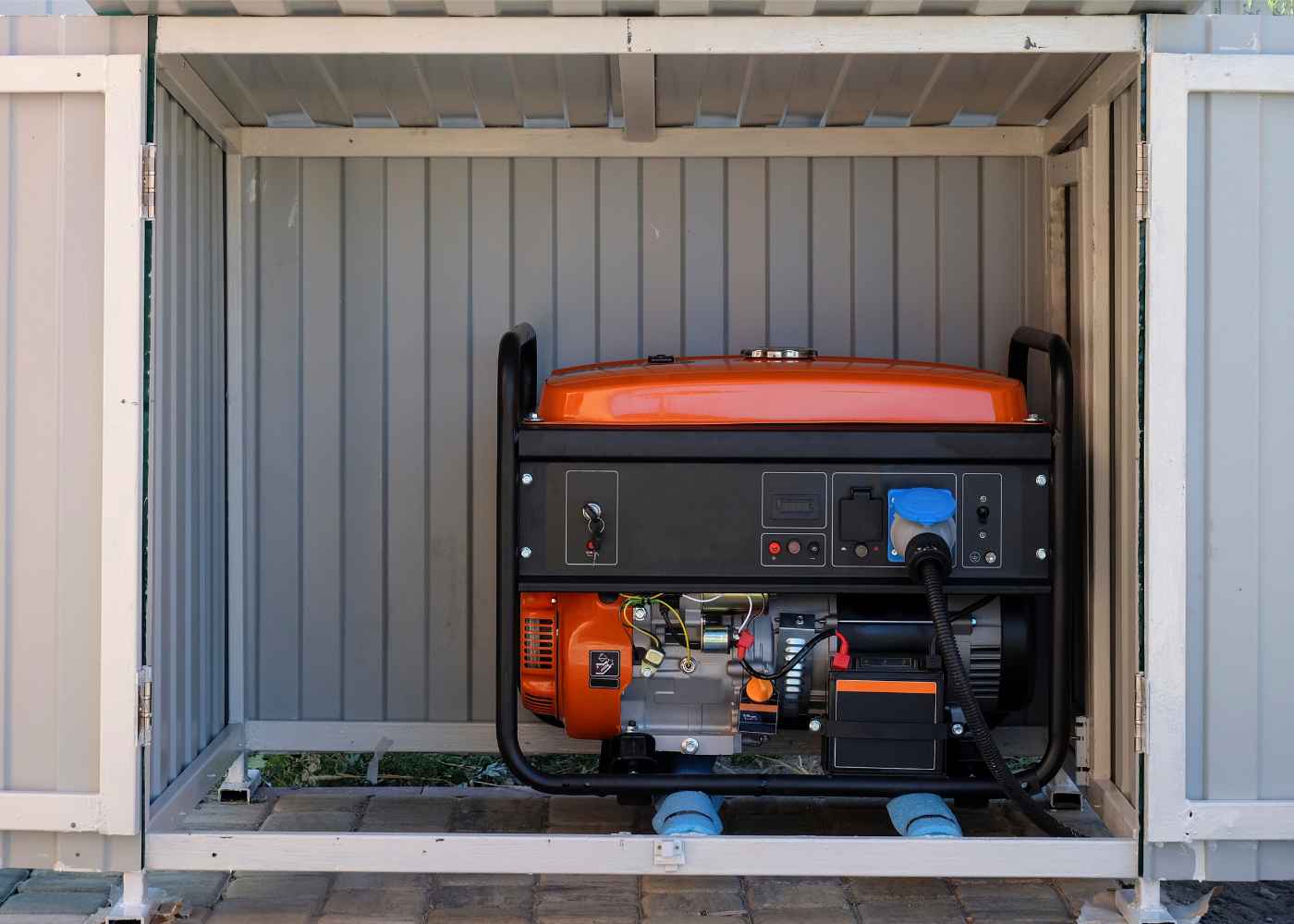
Power outages arrive without warning, often during the worst possible conditions. Storms, grid failures, equipment malfunctions and infrastructure overloads can leave homes without electricity for hours or even days. A standby generator provides automatic backup power that keeps essential systems running when the grid goes down. Selecting the appropriate size ensures your generator handles actual needs without wasting money on unnecessary capacity or falling short during critical moments.
Understanding how to evaluate your requirements helps homeowners make decisions that provide reliable protection for years to come.
Identifying Your Essential Circuits
The sizing process begins with determining which systems absolutely must continue operating during outages. Not every circuit in your home carries equal importance. Some loads represent genuine necessities while others provide convenience that you could temporarily sacrifice.
Start by listing the equipment that matters most to your household. Air conditioning systems, refrigerators, medical devices and sump pumps often top priority lists. Communication equipment, lighting and well pumps also warrant consideration depending on your circumstances.
Walk through your home imagining an extended outage and note what would cause genuine hardship versus minor inconvenience. This exercise reveals priorities that inform sizing decisions more accurately than simply calculating total household load.
Calculating Actual Power Requirements
Each appliance and system draws a specific amount of power measured in watts. Determining your generator capacity requires adding the wattage of everything you want to run simultaneously during an outage.
Some equipment draws more power when starting than when running continuously. Air conditioners, refrigerators, sump pumps and other motor-driven devices create startup surges that generators must handle momentarily before loads stabilize. Sizing calculations must account for these peaks rather than just running watts.
Professional load reviews examine your electrical panel and document both critical and non-critical circuits. This analysis reveals actual power requirements rather than rough estimates that might prove inadequate when storms arrive.
Understanding Sizing Categories
Residential standby generators span a range of capacities suited to different household sizes and power needs. Smaller units power essential circuits only, keeping refrigeration, lighting and a few critical systems operational. Larger units can handle whole-house loads including air conditioning and multiple high-draw appliances.
The choice between partial coverage and whole-house capability involves tradeoffs between cost and convenience. Units sized for essential loads cost less initially and consume less fuel during operation. Whole-house generators eliminate decisions about what to sacrifice but require greater investment.
Choosing trusted companies like Freddy Megawatt LLC ensures proper load review, unit sizing, placement guidance and professional installation. Their certified technicians review panel loads, fuel availability and budget considerations before recommending capacity, placement and transfer options tailored to specific household needs.
Considering Fuel Type Options
Standby generators operate on natural gas, liquid propane or diesel fuel. The appropriate choice depends on what fuel sources exist at your property and the relative costs of each option in your area.
Natural gas connections provide unlimited fuel supply without storage tank requirements. Propane requires tank installation but remains available where natural gas service does not reach. Diesel offers high energy density but requires fuel storage and periodic fuel quality monitoring.
Each fuel type affects generator sizing differently because energy content varies. Generators often produce slightly different output depending on fuel source, making this factor part of the overall sizing conversation.
Planning for Future Needs
Sizing decisions should consider not just current requirements but anticipated changes over time. Home additions, new appliances, electric vehicle charging and other future loads may exceed what adequately sized generators handle today.
Some homeowners choose slightly larger units than current calculations suggest, building in capacity for evolving needs. Others plan for future upgrades when circumstances change. Either approach works when executed thoughtfully.
Discussing future plans with installation professionals helps identify whether modest oversizing now prevents costly replacement later or whether current needs should drive decisions entirely.
Selecting Transfer Switch Configuration
Transfer switches connect generators to household electrical systems and determine which circuits receive backup power. Automatic transfer switches sense outages and start generators without human intervention, providing seamless power transitions.
Transfer switch capacity must match both generator output and household service size. Undersized switches limit what generators can power regardless of unit capacity. Professional installation ensures proper matching that maximizes generator effectiveness.
Load planning documentation identifies exactly which circuits run during outages, eliminating guesswork when power fails. Knowing what works and what remains offline helps families prepare for outage conditions before emergencies occur.
Investing in Professional Guidance
Generator sizing involves technical considerations that exceed most homeowners’ expertise. Licensed contractors bring experience with local conditions, code requirements and equipment performance that ensures appropriate recommendations.
Professional installation includes proper pad placement, electrical coordination, fuel system connection and commissioning that verifies everything works correctly. Owner orientation covers safe operation, testing routines and basic maintenance that keeps systems ready.
The relationship continues through scheduled maintenance that prevents small issues from becoming outage-causing failures. Documented service by qualified professionals also protects warranty coverage that manufacturers require for eligible units.
