



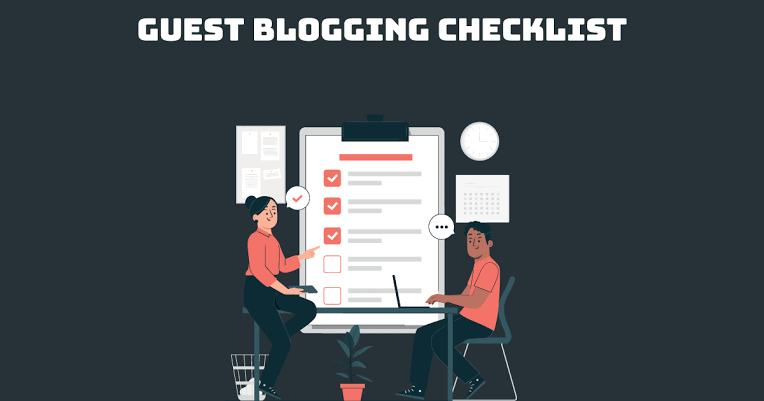
A guest post can look like a win when it goes live, but publication alone does not show whether the placement is useful. To review published guest post placement effectively, check whether the page reaches the right readers, meets agreed quality standards and remains accessible after launch. A few consistent checks can help businesses distinguish a lasting editorial contribution from a link that merely appeared online.
Start with the original goal
Before judging results, revisit the reason for commissioning the article. Was the aim to introduce a product to a relevant audience, earn a credible citation, attract referral visits or support a broader content campaign? A placement may perform modestly on one measure while still succeeding on another. Set expectations before publication, then assess the result against those expectations rather than a vague idea of “good exposure.”
Record the target audience, proposed topic, intended destination page and any agreed link details. That gives you a baseline for checking the live page and makes it easier to spot discrepancies without relying on memory.
Check the live page carefully
Open the published article as a reader would, rather than relying only on a screenshot or confirmation message. Confirm that the page loads, the headline and body are complete, and the article appears in the expected section. Check that paragraphs, images and formatting display correctly on both desktop and mobile.
Review the link itself. It should point to the agreed destination, use sensible anchor text and work without an error. Also look at the surrounding sentence: a link that is technically present but awkwardly forced into the copy can undermine the article’s credibility. If a URL or wording differs from the brief, decide whether the change is acceptable before treating the work as complete.
Judge audience and editorial fit
A website’s overall size is only one part of its value. Ask whether its subject matter and readership overlap with the people you want to reach. A smaller specialist publication may be more useful than a large general site if its readers are likely to care about the topic. Consider whether the article belongs naturally on that website, or feels unrelated to its usual coverage.
Assess the quality of the surrounding content, too. Does the site publish original, readable material? Are articles organized in a way that helps visitors find them? Does the page have a clear author or publication identity? These observations offer context for evaluating a placement beyond a single traffic estimate. When comparing potential publishers, a guide to choosing guest posting sites can help structure checks around relevance, traffic, content quality and cost.
Look beyond launch-day numbers
Traffic can fluctuate, and a new article may take time to attract search or referral visits. Check performance at sensible intervals instead of drawing a conclusion from the first few days. Depending on your goal, useful signals might include visits to the article, referral sessions to your site, engagement on the destination page or inquiries that can be connected to the campaign.
Use the same measurement window for comparable placements. If tracking parameters or analytics are part of your process, confirm that they were set up consistently. Keep in mind that a single guest post rarely explains a change in rankings or sales by itself; other campaigns and seasonal factors can affect those outcomes.
Confirm the placement remains dependable
Revisit the page after publication. Check that it is still available, the article has not been substantially altered and the link continues to work. A page can be online but difficult to find, moved to a different section or changed in a way that weakens its relevance. Save the live URL and note the dates of your checks so that follow-up is straightforward.
Agree in advance how corrections will be handled. Minor edits, broken links or formatting problems are easier to resolve when both parties understand the process. Keep communication specific: identify the page, describe the issue and state the requested correction. If freelancers are involved in writing, outreach or editing, clear briefs can reduce avoidable freelance communication mistakes. Osdire’s discussion of scope, structured offers and payment safeguards is relevant when setting expectations for project work.
Use a simple scorecard
For each placement, record a few consistent details rather than relying on a single pass-or-fail label:
- Relevance: Does the publication reach an audience connected to the topic?
- Quality: Is the article useful, readable and presented professionally?
- Accuracy: Are the agreed link, destination and content details correct?
- Durability: Does the page remain live and accessible during follow-up checks?
- Results: Are there signs of readership or other outcomes tied to the original goal?
A scorecard will not make every placement equally measurable, but it helps reveal patterns across a campaign. If several posts attract the wrong audience or require repeated corrections, adjust the publisher criteria or briefing process. If a placement performs well, identify what made it a good fit and use those lessons in future decisions. The point is not to chase a perfect metric; it is to make each placement accountable to a clear purpose.
