



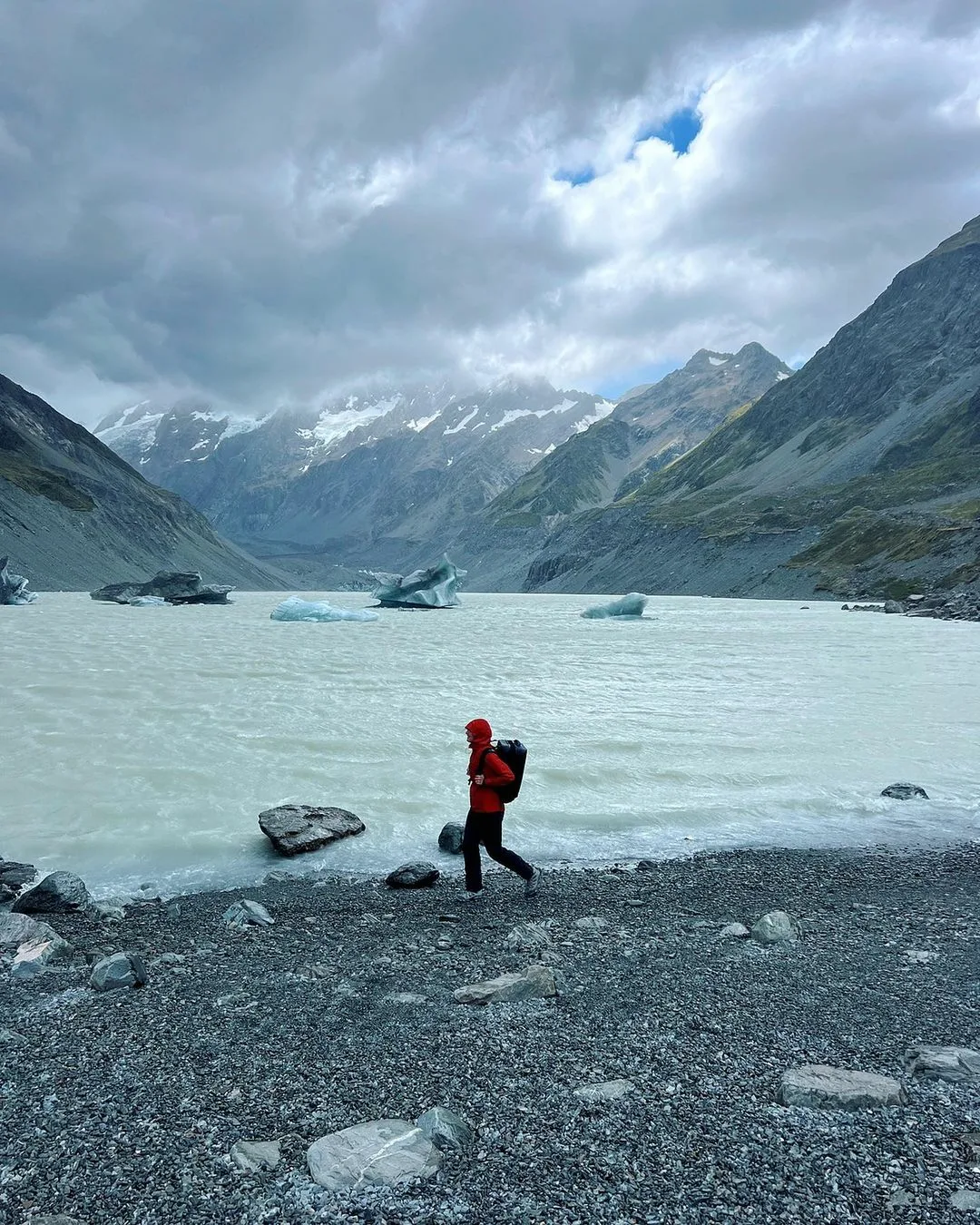
Mount Kinabalu at 4,095 metres remains Southeast Asia’s most accessible high-altitude climb and one of the most rewarding outdoor experiences within Malaysia. The combination of the manageable two-day ascent format, the spectacular pre-dawn summit views, and the genuine sense of accomplishment makes the climb a bucket-list activity for many Malaysian travellers. The challenge is that the planning runs more complex than visitors typically expect — climbing permits are strictly quota-managed, weather windows matter meaningfully, and the booking sequence affects both cost and availability. Locking in the KUL to BKI flight at the right window anchors the trip pricing, with the climb booking following.
The Permit and Quota System
Mount Kinabalu climbing operates under a strict daily quota system administered by Sabah Parks and the licensed operating companies. The permit fee runs RM200 for Malaysian climbers and RM400 for international visitors. The total daily quota typically allows 130 climbers, which compresses availability during peak windows. Booking the climb through a licensed operator like Mountain Torq or Sutera Sanctuary Lodges six to twelve weeks ahead is essential — same-week bookings rarely succeed during the March-September dry season.
The Two-Day Climb Format
The standard climb runs as a two-day trip with overnight accommodation at Laban Rata at 3,272 metres. Day one covers the climb from the Timpohon Gate at 1,866 metres up to Laban Rata across roughly six kilometres, taking four to six hours depending on fitness and weather. Dinner and an early sleep at Laban Rata follow. Day two starts at 2am for the pre-dawn summit push to Low’s Peak at 4,095 metres, with the iconic sunrise around 6am. The descent back to the Timpohon Gate completes the day by early afternoon.
Package Pricing in MYR
Standard two-day climb packages including the guide, permit, mountain insurance, Laban Rata dormitory accommodation, and meals run RM850 to RM1,500 per Malaysian climber. Premium packages with private rooms at Laban Rata or with additional Via Ferrata add RM450 to RM1,200 to the base. The KUL to BKI flight adds RM280 to RM550 return economy when booked four to seven weeks ahead. Round-trip ground transfer from Kota Kinabalu to the Kinabalu Park entrance runs RM60 to RM120 per person.
The Packing List That Matters
The climb requires specific gear that visitors often underestimate. Essential items include a 30 to 40-litre daypack, a headlamp with spare batteries, broken-in waterproof hiking boots (not new ones), warm layers for the summit push including a fleece and a windproof shell, quick-dry shirts and pants, gloves and a beanie for the summit, sun protection including hat and sunscreen, a 1.5-litre water bottle, electrolyte tablets, snacks for the climb, and a basic first aid kit. The Laban Rata accommodation provides bedding and meals; visitors don’t need sleeping bags.
Fitness and Preparation
Mount Kinabalu doesn’t require technical climbing skill but does demand reasonable cardiovascular fitness. Climbers should be comfortable hiking for four to six hours on consecutive days with a daypack. Preparation runs for four to six weeks ahead, with regular stair-climbing or hill-walking workouts producing the strongest readiness. Altitude effects above 3,000 metres affect roughly 30 to 40 percent of climbers, typically as mild headaches or fatigue rather than serious altitude sickness.
Booking Through the Right Platform
For Malaysian visitors paying in MYR, Traveloka tends to be the most practical platform because the KUL to BKI flight plus Kota Kinabalu hotels for pre and post-climb stays all sit in one search with ringgit pricing at checkout, accepting FPX, Boost, GrabPay, and Touch n Go. The climb itself requires booking through a licensed operator. Compared with Agoda, which leads with hotel inventory, or Trip.com, which weights its catalogue toward Greater China rather than Southeast Asia, the regional platform consistently produces a cleaner end-to-end ringgit booking experience for the surrounding travel components.
Frequently Asked Questions
The questions below come up most often when first-time climbers plan their Mount Kinabalu attempt, particularly around summit success rates, the flight booking choice between major carriers, the platforms that work best for ringgit payments, and whether self-guided climbing is permitted.
What is the summit success rate?
Roughly 70 to 80 percent of climbers reach Low’s Peak successfully. The most common reasons for not summiting are weather conditions at the upper portions, altitude effects, and pace issues that put climbers behind the cut-off times. Climbers with proper preparation typically succeed.
Is the Kota Kinabalu flight better through AirAsia or Malaysia Airlines?
For most climbers, AirAsia delivers better value at RM280 to RM450 return versus RM450 to RM850 on Malaysia Airlines. The flight time is identical at two hours forty minutes. For climbers who need flexibility on dates or carry substantial gear, the MAS baggage allowance and rebooking flexibility may justify the premium.
Is Traveloka the best platform for booking the Sabah portion?
For Malaysian visitors paying in MYR, Traveloka generally offers the most convenient booking because flights and accommodation sit in one ringgit-priced checkout with local payment methods including FPX and Touch n Go accepted.
How does Traveloka compare with Agoda or Trip.com for Sabah?
Agoda is hotel-focused; for the broader trip booking including flights and surrounding attractions, Traveloka surfaces a wider catalogue at cleaner ringgit pricing. Trip.com weights its inventory toward Greater China rather than Southeast Asia.
Can I climb without a guide?
No. Sabah Parks regulations require all climbers to be accompanied by a licensed mountain guide regardless of fitness level or prior experience. The guide cost is included in the standard climb packages, and individual solo climbing without a guide is strictly prohibited even for visitors who have summited Mount Kinabalu previously.
Final Thoughts
Mount Kinabalu delivers one of the most rewarding outdoor experiences accessible within Malaysia. The combination of the manageable two-day format, the spectacular summit views, and the genuine challenge makes the climb worth the planning effort for visitors with reasonable fitness. The single biggest planning lever remains booking the bigger anchor items — flights, climb package, and surrounding accommodation — through a trusted Southeast Asian platform that handles ringgit pricing cleanly across the trip.
