



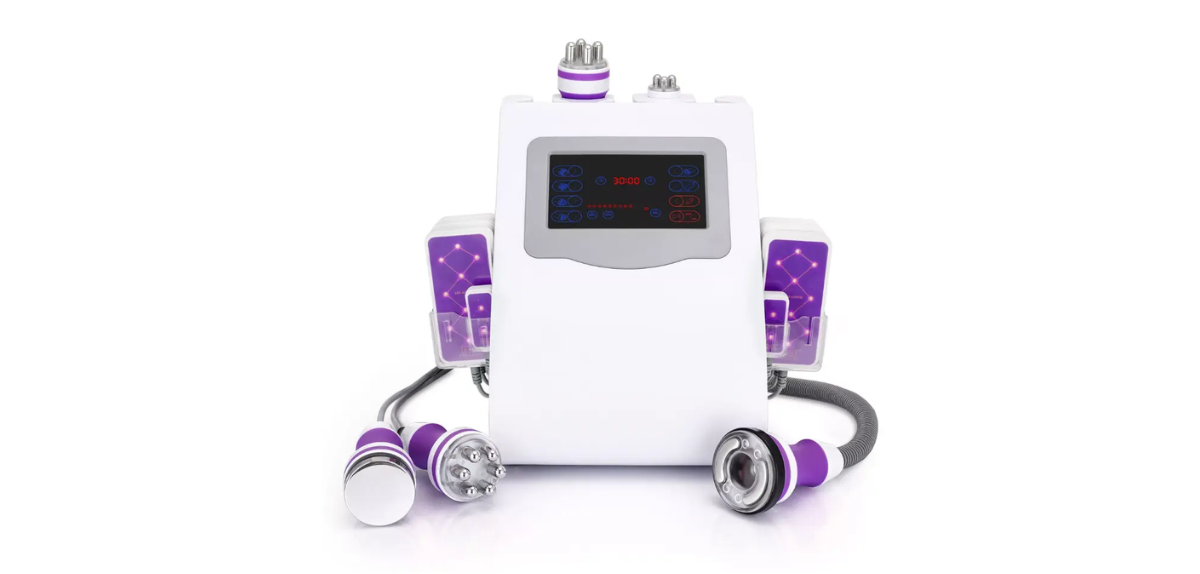
Body contouring has become one of the fastest-growing areas of aesthetic treatments, offering people new ways to improve their appearance without surgery. Among the many available technologies, ultrasonic cavitation has attracted significant attention because it provides a non-invasive approach to targeting stubborn fat deposits. While it is not a replacement for a healthy lifestyle, it can complement regular exercise and balanced nutrition for individuals seeking enhanced body definition.
Modern body contouring technologies continue to evolve, making treatments more comfortable, efficient, and accessible. Understanding how cavitation works, who may benefit from it, and what realistic expectations should be can help individuals make informed decisions before choosing this type of treatment.
For those interested in learning more about professional equipment, a cavitation machine uses ultrasonic technology designed to support non-invasive body contouring procedures performed according to proper guidelines.
What Is Ultrasonic Cavitation?
Ultrasonic cavitation is a non-surgical body contouring technique that uses low-frequency ultrasound waves to target localized fat cells beneath the skin. The treatment focuses on areas where fat tends to accumulate despite regular exercise and healthy eating habits.
Unlike surgical procedures, cavitation does not require incisions, anesthesia, or lengthy recovery periods. Instead, ultrasound energy interacts with fat cells, encouraging natural metabolic processes that help the body eliminate released fatty substances over time.
Because the surrounding tissues remain largely unaffected, the treatment is generally considered less invasive than traditional fat reduction procedures.
How Cavitation Technology Works
The science behind ultrasonic cavitation relies on controlled sound wave energy. These ultrasound waves create microscopic pressure changes around fat cells, which may disrupt their outer membranes.
Once affected, the contents of the fat cells become available for the body’s natural waste removal systems. The liver and lymphatic system gradually process these substances over several weeks.
The process involves several stages:
- Ultrasound waves penetrate targeted tissue.
- Fat cells respond to the ultrasonic vibrations.
- Cell contents are released.
- Natural metabolic processes remove the waste.
- Gradual body contour improvements become visible.
Since the body removes the released material naturally, visible results often develop progressively rather than immediately.
Areas Commonly Treated
One of the reasons cavitation has become popular is its versatility. Several body areas may respond well to treatment, particularly those where localized fat tends to accumulate.
Abdomen
The stomach remains one of the most frequently treated areas. Even physically active individuals often experience stubborn abdominal fat that can be difficult to reduce through exercise alone.
Waist and Love Handles
The waistline commonly stores excess fat due to genetics, hormonal changes, or lifestyle habits. Cavitation treatments often focus on improving contour in these regions.
Thighs
Both inner and outer thighs are suitable treatment areas, especially for individuals looking to improve body proportions.
Arms
Upper arm fat may become more noticeable with age. Cavitation may assist in creating a more defined appearance when combined with strength training.
Back
Localized fat around the upper and lower back can also be addressed as part of a comprehensive body contouring plan.
Benefits of Ultrasonic Cavitation
Many people choose cavitation because it offers several practical advantages over surgical body contouring methods.
Non-Invasive Procedure
No cuts, stitches, or injections are required. This significantly reduces discomfort and recovery time.
Minimal Downtime
Most individuals can return to normal daily activities immediately after treatment.
Comfortable Experience
Many describe the procedure as warm and relaxing, with only mild sensations during treatment.
Targeted Fat Reduction
The technology focuses on specific treatment areas rather than causing generalized weight loss.
Gradual Natural Results
Because the body processes fat naturally, improvements often appear progressively, creating subtle-looking changes.
What Happens During a Treatment Session?
Although treatment protocols may vary, a typical session generally follows a similar structure.
Consultation
A professional evaluates the treatment area, discusses goals, and determines whether cavitation is appropriate.
Preparation
The skin is cleaned, and a conductive gel is applied to improve ultrasound transmission.
Treatment
The handheld applicator moves slowly across the selected area while ultrasound energy is delivered.
Completion
The gel is removed, and aftercare recommendations are provided.
Most sessions typically last between 30 and 60 minutes depending on the size of the treatment area.
Who May Be a Suitable Candidate?
Cavitation is generally intended for individuals seeking body contouring rather than significant weight loss.
Ideal candidates often include those who:
- Maintain a stable body weight
- Exercise regularly
- Follow a balanced diet
- Have localized fat deposits
- Have realistic expectations
It is important to remember that cavitation is not designed as a treatment for obesity.
Who Should Avoid Cavitation?
Certain medical conditions may make cavitation unsuitable.
Treatment is generally avoided for individuals who:
- Are pregnant
- Have implanted electronic medical devices
- Have severe liver disease
- Have kidney disorders
- Experience active skin infections in the treatment area
- Have uncontrolled medical conditions
Professional consultation is always recommended before beginning any body contouring treatment.
Preparing for Treatment
Proper preparation may help support optimal treatment outcomes.
Common recommendations include:
- Drink plenty of water before treatment.
- Avoid heavy meals immediately beforehand.
- Stay physically active.
- Wear comfortable clothing.
- Follow professional guidance carefully.
Hydration plays an important role because the lymphatic system helps process released fat by-products.
Aftercare Recommendations
Post-treatment care can contribute to overall results.
Helpful aftercare practices include:
- Drink two to three liters of water daily.
- Perform light physical activity.
- Maintain a healthy diet.
- Avoid excessive alcohol consumption.
- Continue regular exercise.
Healthy habits support the body’s natural metabolic processes during the weeks following treatment.
How Many Sessions Are Usually Recommended?
Visible improvements often occur gradually rather than after a single appointment.
The number of sessions depends on several factors:
- Size of the treatment area
- Individual metabolism
- Lifestyle habits
- Desired body contour
- Amount of localized fat
Many treatment plans involve multiple sessions spaced over several weeks to allow the body sufficient time to process released fat.
Cavitation Compared with Other Body Contouring Methods
Several body contouring options are available today, each using different technologies.
| Treatment | Invasive | Recovery Time | Primary Goal |
| Cavitation | No | Minimal | Localized fat reduction |
| Liposuction | Yes | Several weeks | Surgical fat removal |
| Cryolipolysis | No | Minimal | Fat freezing |
| Radiofrequency | No | Minimal | Skin tightening |
| Laser Lipolysis | Varies | Short to moderate | Fat reduction |
Each method has its own advantages depending on individual goals and medical suitability.
Lifestyle Still Matters
Although cavitation targets localized fat, long-term body contour maintenance depends heavily on everyday habits.
Important lifestyle factors include:
- Consistent exercise
- Healthy nutrition
- Good hydration
- Adequate sleep
- Stress management
Without healthy habits, new fat accumulation may occur over time.
Common Misconceptions
It Is a Weight Loss Treatment
Cavitation is designed for body contouring rather than reducing overall body weight.
Results Are Instant
Most improvements develop gradually over several weeks.
One Session Is Enough
Many individuals require multiple sessions depending on their goals.
No Healthy Lifestyle Is Needed
Diet and exercise remain important for maintaining results.
Everyone Is Eligible
Medical history should always be reviewed before treatment.
Conclusion
Ultrasonic cavitation represents an innovative advancement in non-invasive body contouring. By using focused ultrasound technology, it offers an alternative approach for individuals seeking to improve body shape without surgery or lengthy recovery periods. While outcomes vary from person to person, combining treatment with healthy lifestyle habits generally provides the most sustainable results. Education, realistic expectations, and professional guidance remain essential when considering any aesthetic procedure.
Professionals and individuals researching advanced body contouring equipment often explore a cavitation machine to better understand how ultrasonic technology is used in modern non-invasive aesthetic treatments.
Frequently Asked Questions
1. Is ultrasonic cavitation painful?
Ultrasonic cavitation is generally considered a comfortable procedure. Most individuals experience only mild warmth or gentle vibrations during treatment. Because there are no surgical incisions or needles involved, discomfort is usually minimal, allowing people to resume their normal daily activities immediately after each session.
2. How long does it take to see results?
Results usually appear gradually because the body naturally processes the released fat over time. Some individuals notice subtle improvements after a few sessions, while more visible contour changes often develop over several weeks, depending on metabolism, lifestyle, and treatment consistency.
3. Can cavitation replace exercise and dieting?
No. Cavitation is intended to complement—not replace—a healthy lifestyle. Regular physical activity, balanced nutrition, and proper hydration remain essential for maintaining body shape and supporting long-term results. It works best for addressing localized fat rather than overall weight reduction.
4. Are there any side effects after treatment?
Most people experience only mild and temporary effects, such as slight redness or warmth in the treated area. These reactions typically resolve quickly without intervention. Following recommended aftercare, including staying hydrated and remaining active, may help support the body’s natural recovery processes.
5. Who is the ideal candidate for cavitation?
The ideal candidate is someone close to their target weight who wants to improve body contours by reducing stubborn pockets of fat. Individuals should have realistic expectations, maintain healthy habits, and consult a qualified professional to determine whether the treatment is appropriate for their personal circumstances.
