



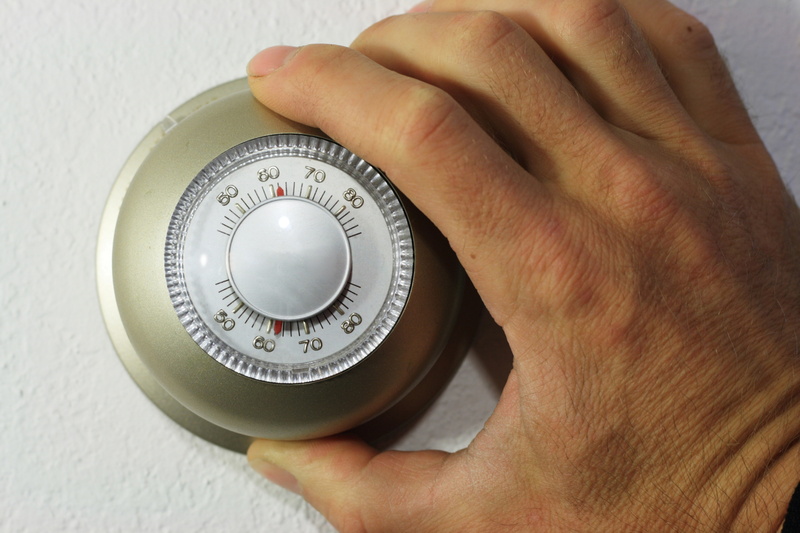
A thermostat may be one of the smallest components in a home heating system, but it plays an important role in controlling when the furnace starts, stops, and maintains the desired indoor temperature. When the thermostat malfunctions, the furnace may respond incorrectly, creating comfort problems and potentially increasing equipment wear.
For homeowners in Orange County, understanding the connection between the thermostat and furnace can make it easier to recognize problems early and determine when professional service may be necessary.
How a Thermostat Controls Your Furnace
The thermostat acts as the control point for a forced-air heating system. It measures the indoor temperature and sends a signal to the furnace when heat is needed. Once the desired temperature is reached, the thermostat signals the system to stop heating.
Because the thermostat communicates directly with the furnace controls, a problem with its sensor, settings, power supply, or wiring can make the furnace appear to be malfunctioning even when the heating equipment itself is operating properly.
Signs Your Thermostat May Be Affecting the Furnace
Several symptoms can indicate that the thermostat is contributing to a heating problem.
Furnace Does Not Turn On
If the thermostat is blank, incorrectly configured, has depleted batteries, or is not communicating with the furnace, the system may not receive a proper call for heat. Checking that the thermostat is set to heating mode and that its temperature setting is above the current room temperature is a useful first step.
Furnace Turns On and Off Too Frequently
Short cycling occurs when a furnace repeatedly starts and stops without completing a normal heating cycle. A poorly positioned or malfunctioning thermostat can contribute to this behavior, although airflow restrictions, furnace problems, and other issues can produce the same symptom.
Repeated short cycling can increase equipment wear and energy consumption, so it should not be ignored.
The Home Never Reaches the Set Temperature
A thermostat with an inaccurate temperature sensor may incorrectly determine when the furnace should operate. For example, a thermostat exposed to direct sunlight, drafts, or another nearby heat source can receive a misleading temperature reading.
This can leave some rooms uncomfortable even though the thermostat indicates that the desired temperature has been reached.
Common Thermostat Problems That Can Affect Furnace Performance
Dead or Weak Batteries
Some thermostats rely on replaceable batteries. As batteries become weak, the display may become faint or disappear, and the thermostat may stop communicating reliably with the HVAC system.
Replacing batteries according to the manufacturer’s instructions can resolve a simple power problem.
Incorrect Thermostat Settings
A furnace may appear to have failed when the thermostat is simply set incorrectly. Homeowners should check that the system is in Heat mode, the desired temperature is higher than the current room temperature, and the fan setting is appropriate.
Faulty Temperature Sensor
The thermostat’s sensor determines the temperature that controls furnace operation. If the sensor becomes inaccurate or the thermostat is installed in an unsuitable location, the furnace may run too long, shut down prematurely, or fail to provide consistent comfort.
Wiring Problems
Loose, damaged, or incorrectly connected thermostat wiring can interrupt communication between the thermostat and furnace. Thermostat wiring should not be treated as a simple color-matching project because wire colors do not universally determine their function.
Electrical troubleshooting can also present safety risks, so more complicated wiring problems are better handled by a qualified HVAC professional.
How Thermostat Problems Can Increase Furnace Wear
A faulty thermostat can cause the furnace to operate at inappropriate times. Frequent starting and stopping can place additional stress on components, while continuous operation can increase energy consumption and operating time.
However, homeowners should avoid assuming that the thermostat is automatically responsible. A dirty filter, restricted airflow, malfunctioning flame sensor, control-board issue, or other furnace fault can create similar symptoms. Proper diagnosis helps identify the actual cause.
Orange County Climate and Thermostat Performance
Orange County homes can experience changing heating demands throughout the year. During cooler periods, homeowners may rely on their furnaces more heavily, making reliable thermostat operation particularly important.
A thermostat located near a draft, sunny window, appliance, or other source of unusual heat can measure conditions that do not accurately represent the rest of the living space. Proper placement and accurate temperature sensing can therefore contribute to more consistent furnace operation.
Simple Checks Homeowners Can Perform
Before arranging professional service, homeowners can perform a few basic checks:
- Confirm the thermostat is set to Heat.
- Set the desired temperature above the current room temperature.
- Replace batteries if the thermostat uses them.
- Check whether the display is blank or unresponsive.
- Make sure the furnace has power.
- Inspect the furnace filter and replace it if it is heavily clogged.
- Ensure supply and return vents are open and unobstructed.
- Observe whether the furnace is repeatedly starting and stopping.
These basic checks can help distinguish a simple setting or maintenance issue from a problem requiring professional diagnosis.
When Professional Furnace Service Is Necessary
If the furnace continues to malfunction after basic thermostat and airflow checks, professional evaluation may be appropriate. A technician can determine whether the problem originates with the thermostat, wiring, furnace controls, airflow, ignition system, flame sensor, or another component.
Homeowners should also avoid attempting advanced electrical work or bypassing furnace safety controls. Incorrect thermostat wiring can damage equipment, while furnace electrical components may present serious hazards.
When searching for furnace repair Orange County, homeowners should look for a qualified HVAC professional who can diagnose the entire heating system rather than automatically replacing the thermostat.
Thermostat Repair or Replacement?
Not every thermostat problem requires a replacement. Simple issues such as batteries, settings, placement, or certain connection problems may be correctable. Older thermostats, however, may eventually develop sensor or electrical failures, making replacement a practical option.
A professional can evaluate the thermostat’s condition and determine whether repair, recalibration, rewiring, or replacement makes the most sense for the particular furnace system.
Preventing Thermostat-Related Furnace Problems
Regular HVAC maintenance can help identify thermostat and furnace problems before they become disruptive. Homeowners should periodically check thermostat operation, replace batteries when necessary, keep air filters maintained, and pay attention to unusual cycling or temperature fluctuations.
It is also useful to avoid placing furniture or objects directly around the thermostat because its temperature reading should reflect the surrounding indoor environment as accurately as possible.
Final Thoughts
A thermostat problem can have a surprisingly large effect on furnace performance. Incorrect temperature readings, depleted batteries, poor placement, wiring problems, and internal thermostat failures can all interfere with normal heating operation. At the same time, symptoms such as short cycling or failure to heat can originate elsewhere in the HVAC system.
Understanding these warning signs helps Orange County homeowners take sensible first steps and recognize when professional diagnosis is needed. Addressing thermostat-related problems promptly can help restore consistent comfort while reducing unnecessary furnace operation and wear.
