



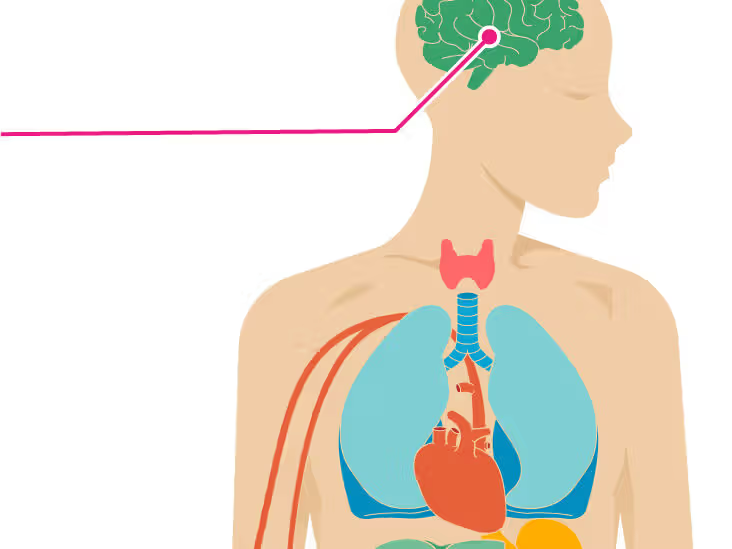
Cannabis, commonly known as weed, has become increasingly normalized across many parts of the world. While some people use it for relaxation or medical purposes, it’s important to understand that it is not without consequences. The effects of weed can vary widely depending on the individual, the dosage, and the frequency of use. This article explores both the short-term and long-term side effects of weed, helping you make informed decisions.
What Happens When You Use Weed?
Weed contains active compounds called cannabinoids, the most well-known being THC (tetrahydrocannabinol). THC interacts with the brain’s receptors, altering mood, perception, and cognition. These changes are what create the “high” feeling—but they can also lead to unwanted side effects.
Short-Term Side Effects of Weed
1. Impaired Memory and Thinking
One of the most immediate effects of weed is difficulty with memory and concentration. Users may find it harder to retain information or complete tasks that require focus. This can impact studying, work performance, or even simple daily activities.
2. Altered Perception and Coordination
Weed can distort your sense of time, space, and reality. This can be dangerous, especially when driving or operating machinery, as reaction times are slowed and coordination is reduced.
3. Anxiety and Paranoia
While some people use weed to relax, others may experience the opposite. High doses of THC can trigger anxiety, panic attacks, or paranoid thoughts, particularly in new or sensitive users.
4. Increased Heart Rate
Shortly after consumption, weed can raise your heart rate. For individuals with underlying heart conditions, this may pose a risk.
5. Dry Mouth and Red Eyes
These are common but mild side effects. Reduced saliva production leads to dry mouth, while blood vessel dilation causes red eyes.
Long-Term Side Effects of Weed
1. Mental Health Issues
Frequent weed use has been linked to mental health conditions such as depression and anxiety. In some cases, it may increase the risk of psychosis, especially in individuals with a predisposition to disorders like schizophrenia.
2. Addiction and Dependence
Contrary to popular belief, weed can be addictive. Regular users may develop a dependency, experiencing cravings and withdrawal symptoms such as irritability, insomnia, and mood swings when they try to quit.
3. Cognitive Decline
Long-term use, particularly when started at a young age, may lead to lasting effects on memory, learning ability, and decision-making skills.
4. Respiratory Problems
Smoking weed can harm the lungs, leading to chronic cough, bronchitis, and other respiratory issues. The smoke contains many of the same harmful chemicals found in tobacco.
5. Impact on Motivation and Productivity
Some long-term users report a lack of motivation, often referred to as “amotivational syndrome.” This can affect personal goals, career progression, and overall quality of life.
Social and Legal Considerations
The legality of cannabis varies from country to country. In places where it remains illegal, possession or distribution can lead to serious legal consequences. Discussions around topics like how to get weed in UK often arise, but it’s essential to understand that in the UK, cannabis is classified as a controlled substance, and obtaining it illegally can result in penalties including fines or imprisonment.
Who Is Most at Risk?
Certain groups are more vulnerable to the negative effects of weed, including:
- Teenagers and young adults (due to brain development)
- Individuals with a history of mental health disorders
- People with heart or lung conditions
- Heavy or long-term users
Can the Risks Be Reduced?
While abstinence is the only way to completely avoid side effects, some harm-reduction strategies include:
- Limiting frequency and dosage
- Avoiding mixing weed with alcohol or other substances
- Choosing non-smoking methods (though these still carry risks)
- Being aware of personal mental health history
Final Thoughts
Weed is often portrayed as harmless, but the reality is more complex. Both short-term and long-term use can have significant effects on physical and mental health. Understanding these risks is crucial, whether you are considering trying cannabis or already using it.
Making informed choices—and being aware of legal and health implications—can help you avoid potential harm and maintain overall well-being.
