



Below is a clear, research-based guide on how to protect yourself when applying online.
Table of Contents
Toggle1. Be cautious of “instant approval” promises
One of the most common scams involves websites claiming you can get approved in minutes without a proper medical consultation.
Legitimate medical cannabis programs always require:
- A licensed physician evaluation
- Review of your medical history
- State compliance checks
If a site promises approval without any real doctor interaction, it is almost certainly fraudulent. Scammers often take payment and send fake approval emails without submitting anything to official state systems.
2. Verify the clinic and doctor credentials
A real telemedicine service must clearly show:
- Doctor names and medical license numbers
- State registration or certification
- Verifiable clinic information
You should be able to confirm the physician’s license through official medical board databases. Fake sites often hide or fabricate credentials, or use stock images instead of real staff profiles.
3. Check for a legitimate physical address and contact options
Scam websites often avoid transparency. Before paying, ensure the provider has:
- A real clinic address (not just a P.O. box)
- Working phone support
- Customer service that responds outside automated chatbots
If you cannot contact a real person or confirm a location, it is a major warning sign.
4. Avoid suspicious payment methods
A very strong indicator of fraud is how payment is requested.
Be careful if the website asks for:
- Cash App, Venmo, Zelle, or crypto payments only
- Untraceable “processing fees”
- Full payment before any consultation
Legitimate medical services typically use secure payment processors and provide clear billing policies. Scam operations often rely on irreversible payment methods to avoid chargebacks.
5. Watch for fake websites and impersonation clinics
Scammers often create professional-looking websites that mimic real medical cannabis clinics or government portals. These sites may:
- Use copied logos or fake seals
- Show fake reviews or testimonials
- Disappear after collecting payments
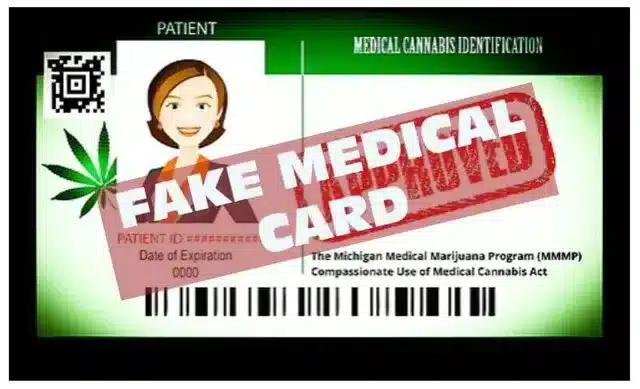
Some even send counterfeit “cards” that are not registered with any state system.
6. Confirm state registry participation
A real Medical marijuana card online process always connects to an official state registry.
Before trusting any service:
- Check if your state lists the provider as approved
- Ensure your doctor submits information directly to the state system
- Confirm that your card can be verified by dispensaries
If the clinic cannot explain how your application enters the state database, it is likely not legitimate.
7. Be cautious of social media advertisements
Many scams spread through:
- Instagram ads
- Facebook pages
- TikTok messages
These often promise:
- Cheap certifications
- No doctor visits
- “Guaranteed approval”
Legitimate medical providers do not typically recruit patients through random DMs or unofficial social media messaging.
8. Look for unrealistic pricing
Extremely low or extremely high prices can both be warning signs.
Red flags include:
- “$25 instant card approval”
- “$300 hidden doctor fee after checkout”
- “Lifetime medical card access”
Real medical evaluations have standard pricing and are transparent before payment.
9. Read independent reviews carefully
Before choosing a provider:
- Look for reviews outside their own website
- Check trusted forums and consumer sites
- Be cautious of overly perfect ratings
Fake clinics often use bots or paid reviews to appear legitimate.
10. Protect your personal and medical information
Scam websites may try to collect:
- ID numbers
- Medical history
- Credit card details
Only share sensitive information on secure, verified platforms. If anything feels off, stop the process immediately.
Final Thoughts
Applying for a Medical marijuana card online can be safe and legitimate when done through verified, licensed providers—but scams are widespread and constantly evolving. The key is to slow down, verify credentials, and never trust instant approval or untraceable payment systems.
