



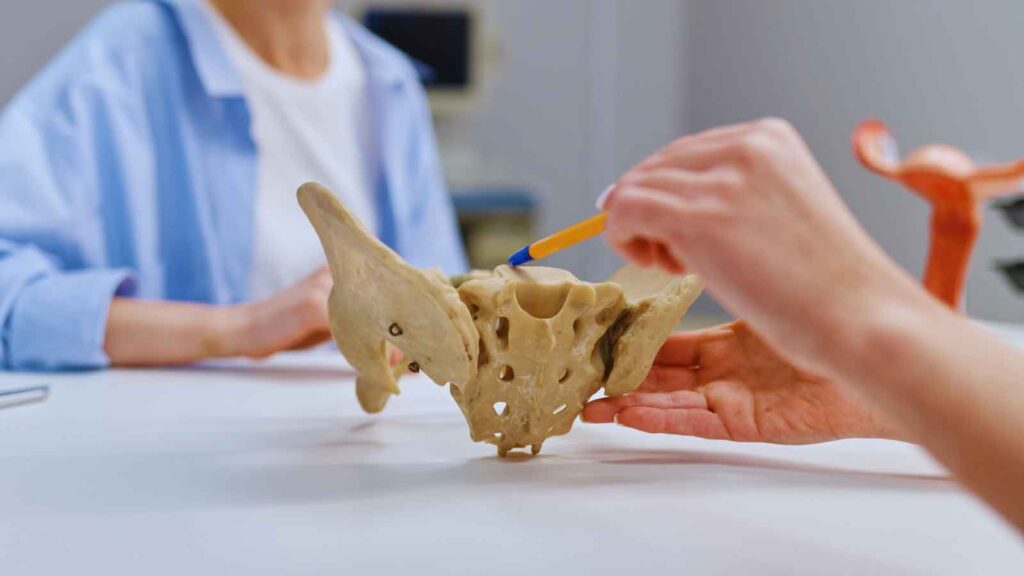
Understanding pelvic organ prolapse support is essential for managing symptoms, improving comfort, and maintaining quality of life. Today, there are multiple supportive strategies ranging from lifestyle changes to medical devices and therapeutic exercises that help individuals regain control and confidence.
Table of Contents
ToggleWhat is Pelvic Organ Prolapse?
Pelvic organ prolapse occurs when the muscles and tissues of the pelvic floor lose strength and can no longer properly support the pelvic organs. This can lead to a sensation of pressure, bulging in the vaginal area, urinary issues, or discomfort during daily activities.
The condition can vary in severity—from mild cases that cause little disruption to more advanced stages that significantly impact mobility and comfort.
Causes and Risk Factors
Several factors can contribute to weakened pelvic support structures:
- Childbirth: Vaginal delivery, especially multiple or difficult births, can stretch pelvic muscles.
- Aging: Natural decline in tissue elasticity over time.
- Hormonal changes: Reduced estrogen levels during menopause can weaken pelvic tissues.
- Chronic pressure: Long-term coughing, constipation, or heavy lifting increases strain.
- Genetic predisposition: Some individuals naturally have weaker connective tissues.
Understanding these causes helps in designing effective pelvic organ prolapse support strategies tailored to individual needs.
Common Symptoms
Symptoms may vary depending on severity, but often include:
- A feeling of heaviness or pressure in the pelvic region
- A visible or palpable bulge in the vaginal area
- Difficulty with urination or bowel movements
- Lower back discomfort
- Discomfort during physical activity or standing for long periods
Early recognition is important for timely intervention and better management outcomes.
Types of Pelvic Organ Prolapse Support
Managing this condition involves a combination of approaches designed to reduce symptoms and improve pelvic stability.
1. Pelvic Floor Muscle Training
Strengthening pelvic muscles is one of the most effective long-term solutions. A widely recommended method is Kegel exercises, which involves repeated contraction and relaxation of pelvic muscles to improve tone and support.
Consistent practice can:
- Improve bladder control
- Reduce symptom severity
- Enhance pelvic stability over time
2. Pessary Devices
A pessary is a medical-grade silicone device inserted into the vagina to physically support pelvic organs. It is a non-surgical and reversible option often recommended for mild to moderate cases.
Benefits include:
- Immediate structural support
- Reduced pressure symptoms
- Improved daily comfort
Regular follow-ups are important to ensure proper fit and hygiene.
3. Lifestyle Adjustments
Lifestyle plays a major role in long-term pelvic organ prolapse support:
- Maintaining a healthy weight reduces pelvic strain
- Avoiding heavy lifting minimizes downward pressure
- Managing constipation prevents excessive pushing
- Treating chronic coughs reduces abdominal pressure
Small adjustments can significantly improve symptom management.
4. Physical Therapy
Specialized pelvic floor physiotherapy focuses on restoring muscle strength, coordination, and flexibility. Therapists may use guided exercises, biofeedback, and posture training to support recovery.
This approach is especially helpful for individuals who need structured rehabilitation.
5. Surgical Options
In more severe cases, surgery may be recommended to restore pelvic anatomy. Surgical procedures aim to lift and secure the prolapsed organs and reinforce weakened structures.
While effective, surgery is usually considered after conservative methods have been explored.
Daily Strategies for Better Pelvic Health
Beyond medical treatments, daily habits play a crucial role in managing pelvic health:
- Practicing mindful posture when sitting and standing
- Engaging in low-impact exercise like walking or swimming
- Avoiding prolonged straining during bowel movements
- Staying hydrated and consuming fiber-rich foods
These habits help reduce pressure on the pelvic floor and support long-term stability.
Emotional and Psychological Impact
Pelvic organ prolapse is not only a physical condition—it can also affect emotional well-being. Feelings of discomfort, embarrassment, or frustration are common. Support groups, counseling, or open conversations with healthcare providers can help individuals cope more effectively.
Understanding that pelvic organ prolapse support is both physical and emotional encourages a more complete and compassionate approach to care.
Conclusion
Pelvic organ prolapse is a manageable condition when addressed with the right combination of awareness, treatment, and lifestyle changes. From strengthening exercises like Kegels to medical devices such as pessaries and professional therapies, there are many effective forms of pelvic organ prolapse support available today.
With early attention and consistent care, individuals can significantly improve comfort, function, and overall quality of life while maintaining long-term pelvic health.
